Bombay, 23 Jan. 2026
By Sudeep Sonawane – Opening Doorz Editorial
When Coaching Was Guided by the Eye
Every generation believes it has cracked the code, only for the next to arrive with a new gadget, graph, and vocabulary. This familiar debate resurfaces now in Maharashtra’s cricketing circles—pitting the reassuring simplicity of yesteryear against the blinking screens of modern coaching.
On one side are the evangelists of innovation, convinced that progress cannot be rolled back like an old pitch. On the other hand are those who swear by the methods that shaped India’s finest batsmen long before data analysts occupied dressing rooms.
The Rise of the Gadget Classroom
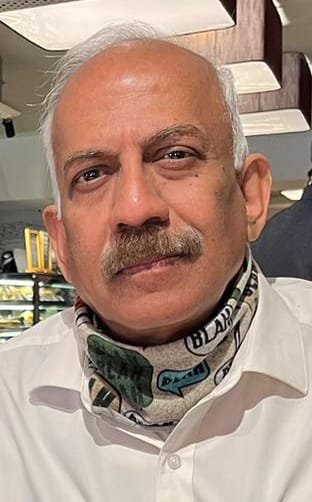
Former India international Abhijit Kale, who runs the Stalwarts Cricket Academy in Kharadi, Pune, has little patience for nostalgia. For him, resistance to technology is resistance to reality.
“People used analogue phones in the past. Today, we use sleek digital cell phones. That is progress,” Kale says. “Cricket is no different. The 2000–05 era already looks ancient in 2026. I use bowling machines and other tools to train my students. Innovation, gadgets and updated processes are the way forward.”
Kale’s argument is simple: standards have risen, margins have shrunk, and preparation has become scientific. To coach today with yesterday’s methods, he believes, is to short-change young cricketers chasing modern demands.
When Tradition Built Champions
Eighty-one-year-old Prakash Kelkar, former Mumbai Cricket Association committee member for over two decades, sees it differently. His memory stretches back to a time when coaching relied more on the eye than the algorithm.
“Vithal (Marshall) Patil, Anna Vaidya, Vasant Amladi, Luma Kenny and Ramakant Achrekar taught the basics—batting, bowling, fielding—without fancy tools,” Kelkar recalls. “Apart from a bat and a ball, the only equipment was a heavy iron pitch roller. The ball would be deflected off it for catching practice.”
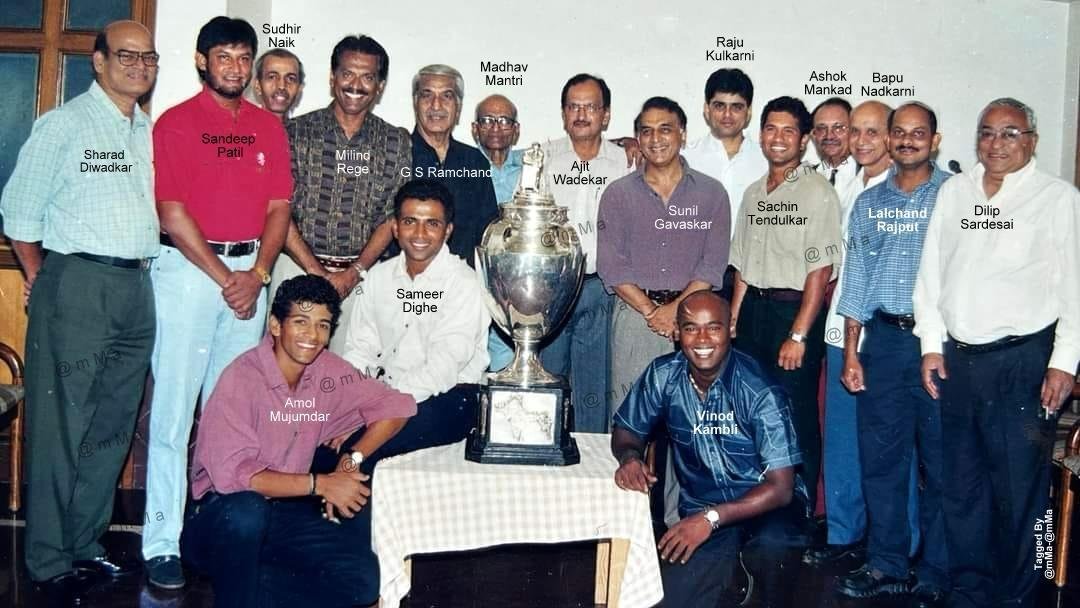
Those methods, Kelkar points out, produced Ajit Wadekar, Dilip Sardesai, Ramakant Desai, Farokh Engineer, Sunil Gavaskar, Dilip Vengsarkar, Sandeep Patil, Ravi Shastri, Sanjay Manjrekar, Sachin Tendulkar and Vinod Kambli. Bamboo poles, jute nets and repetition did the rest.
Cosmetic Innovation or Genuine Progress?
Adding a sharper edge to this resistance, another old-school coach is more scathing. He claims many national, state, and franchise coaches have embraced what he calls “cosmetic innovation” less to improve players and more to justify inflated pay packets.
That sentiment finds cautious support from Mumbai-based Dronacharya awardee Dinesh Lad, mentor to Rohit Sharma and several first-class cricketers. Lad does not dismiss technology outright, but he is wary of excess.
About Writer
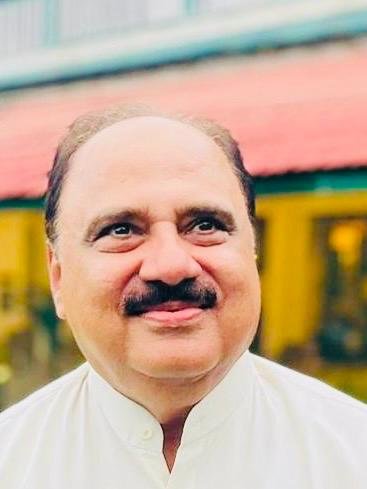
Bombay, India based independent journalist Sudeep RP Sonawane, writes on Energy, Environment, Culture, and Sports without using AI apps. He previously has worked for prestigious leading newspapers in India and abroad including ‘Qatar News Agency’, official news agency of State of Qatar.

 American Chamber of Commerce Qatar
 Bangladeshi Community
 Filipino Community
 Indian Community
 Nepali Community
 Pakistani Community
 Sri Lankan Community