Doha, 13 Jan. 2026 (Qatar Tribune)
ASHRAF SIDDIQUI
DOHA
PAKISTAN’S military is widely regarded today as a formidable and highly professional fighting force, exceptionally skilled in both counterterrorism and conventional warfare. It also holds the distinction of being the only nuclear-armed nation in the Islamic world, a status that underscores its strategic significance. Equally important is Pakistan’s enduring strategic partnership with neighbouring China, whose close ties have played a crucial role in strengthening Pakistan’s defense capabilities while providing vital support to its struggling economy.
The Calculated Gambit Against a Superpower
At the height of the Cold War between the two superpowers — the United States and the Soviet Union — the latter’s invasion of Afghanistan (1979–1989) initially met with a hesitant Western response. Much of the Western world, including the United States, largely remained on the sidelines.
Pakistan, under the military leadership of President General Zia-ul-Haq, however, recognized the grave threat posed by advancing Soviet forces. With the USSR widely seen as seeking access to warm-water ports and greater influence in the Middle East, General Zia and his advisers made a courageous and calculated decision. Drawing on their deep understanding of Afghanistan’s rugged terrain and complex sociopolitical fabric, they maneuvered the Soviet Union into a prolonged guerrilla conflict — effectively fighting a future war on foreign soil.
Diplomacy, Stingers, and a World Remade
For nearly ten years, Pakistan stood with the Afghan mujahideen, offering training, strategic guidance, and a safe haven to over 4 million of refugees for tens of years. In those first critical years, this support came without any direct military aid from the West. It was only after General Zia Ul Haq and his team tirelessly and skillfully made Pakistan’s case that Western nations were persuaded. Recognizing Pakistan’s indispensable role, they finally began sending advanced weapons.
That crucial support empowered the Afghan resistance to grind down and ultimately defeat the Soviet military. A defeat that helped trigger the collapse of the USSR and the liberation of its Eastern European and Central Asian territories. The shockwaves from this victory reshaped the entire world, setting the stage for events like the reunification of Germany.
Yet, the popular story often credits the United States with masterminding this Soviet defeat from afar, subtly pushing Pakistan’s decisive contribution to the sidelines. There’s a deep irony here. Decades later, America itself—with its own mighty military, cutting-edge weapons, and over a hundred thousand troops—was forced to admit defeat and withdraw from that same Afghan soil after a twenty-year war.
The earlier, simplified story of an American win was carefully nurtured. It was echoed in books, amplified by films like those from Bollywood, and repeated by voices in both Pakistan and the U.S. This long-running narrative has, sadly, clouded one of the most significant achievements in the history of Pakistan’s armed forces and intelligence agencies.
An Era Ends in Mystery
Tragically, shortly after the Soviet withdrawal, General Zia-ul-Haq — along with nearly thirty senior military officials, the US Ambassador to Pakistan, and the American defense attaché — died in a mysterious aircraft crash near Bahawalpur. His death marked the abrupt end of a defining era in Pakistan’s strategic history.
The military and intelligence prowess demonstrated under General Zia’s leadership propelled Pakistan into global prominence, cementing its reputation for strategic depth and operational capability. Although his rule from 1978 to 1988 remains controversial — as the longest military rule in Pakistan’s history — the public outpouring of grief at his death was unmistakable. Millions attended his funeral in the twin cities of Islamabad and Rawalpindi, in what is remembered as the largest gathering in the nation’s history. Tens of thousands more across the world offered prayers in absentia, including at Islam’s holiest sites—the Kaaba in Makkah and Masjid Al-Nabawi in Madinah—as well as in Qatar and other major cities worldwide. It was a rare and solemn tribute to a leader who profoundly shaped Pakistan’s role on the world stage.
A Manufactured Storm: The Political Project of ‘Azadi’
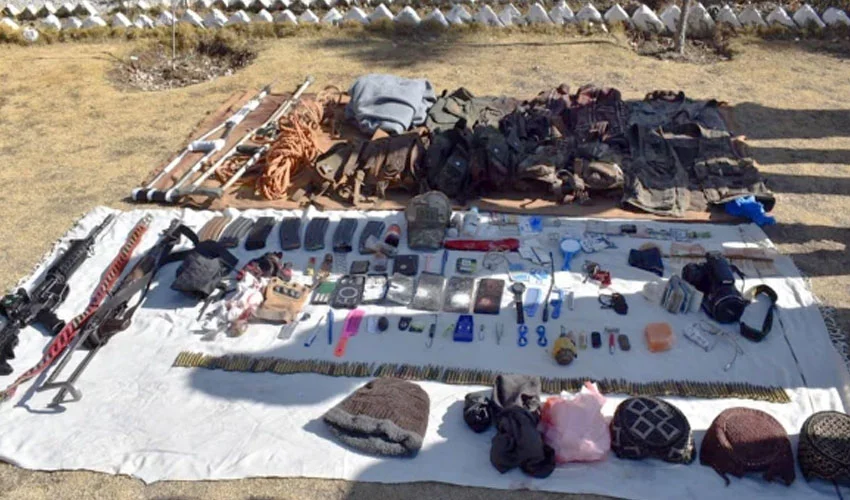
Many analysts interpret today’s geopolitical landscape through the lens of strategic containment, facilitated by US support for Israeli expansionism and the destabilizing aftermath of the Arab Spring, which severely weakened cohesive states such as Iraq and Libya. Within this fragile regional environment, Pakistan is often viewed as a stabilizing military power, reinforced by recent Saudi-Pakistan strategic defense cooperation. To neutralize Pakistan’s influence, critics argue that a long-term strategy — allegedly supported by a neighboring rival state and operating through Afghan territory — has sought to systematically erode Pakistan’s economic and defensive capacities. Afghanistan, according to Pakistan’s ISPR Director General, is currently hosting around 20 terrorist groups, a situation Islamabad views as a direct threat aimed at undermining its regional deterrence.
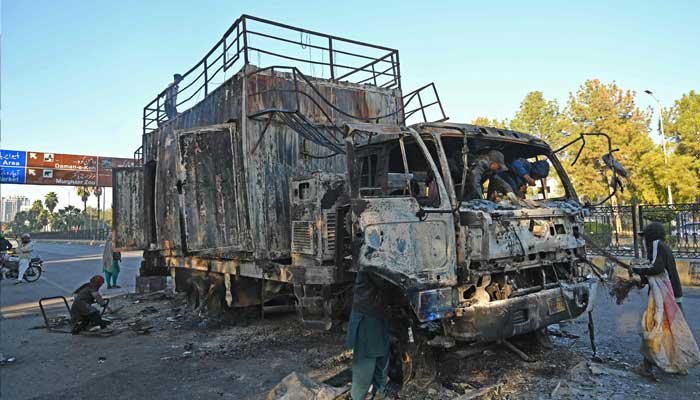
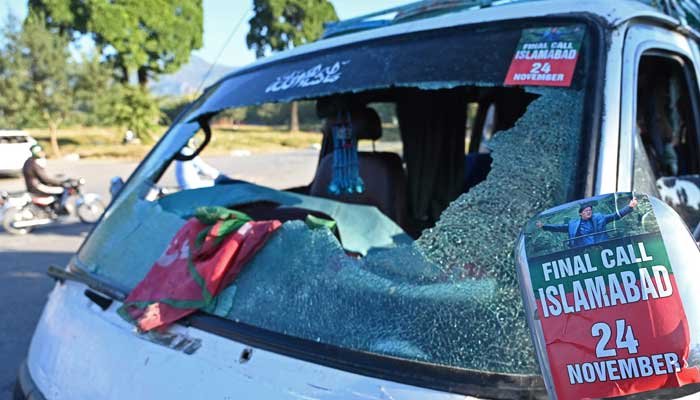
Within Pakistan, this strategy is said to have manifested in the political rise of Imran Khan after 2011. An outsider to traditional politics, he was propelled by the slogan of Azadi (freedom), with institutional and media networks cultivated during General Pervez Musharraf’s era. Critics describe his leadership style as divisive and increasingly autocratic, relying on populist agitation while
rejecting sustained dialogue. His preference for negotiating with militants rather than pursuing decisive military action is widely seen as having emboldened extremist elements, particularly in Khyber Pakhtunkhwa, where his party governed but left behind a limited developmental legacy.
From Populism to Political Isolation
Imran Khan’s tenure remains deeply controversial. Critics point to actions perceived as compromising national interests: protests during sensitive foreign visits, agitation against critical financial assistance from international financial houses, the swift repatriation of a captured Indian pilot in 2019, perceived silence on India’s illegal and against UN Resolutions integration of Kashmir in August 2019, the foreign funding case awaited since 2022 and a fragmented diplomatic posture during major regional crises.
His ongoing legal battles — marked by repeated procedural delays and confrontations with state institutions — are widely interpreted as attempts to evade accountability, a narrative reinforced by a powerful loyalist media ecosystem. In response, Pakistan’s military leadership has initiated a rigorous internal accountability process, court-martialing personnel implicated in political engineering or militant facilitation. This purge represents a significant effort to restore institutional discipline and doctrinal integrity.
Meanwhile, Imran Khan-led Pakistan Tehreek-e-Insaf (PTI) finds itself trapped in a political impasse. While sections of the party’s senior leadership call for dialogue and a peaceful resolution, Khan’s own approach is widely seen as rejecting direct engagement. Instead, he relies on smaller allied parties to articulate his position—an approach many interpret as an effort to avoid personal responsibility. This rigid stance, compounded by internal fractures following the May 2023 attacks on military installations, has left PTI politically isolated. As a result, critics argue, Khan has lost the credibility and trust required for meaningful engagement with other political stakeholders.
Crisis as a Seed of Renewal
Yet within this profound national crisis lies a measure of resilient hope. The intense struggle and painstaking effort to rebuild Pakistan’s institutional framework—now jointly under taken by Parliament, the executive, and the judiciary—could ultimately plant the seeds of long-term stability and development.
About Writer
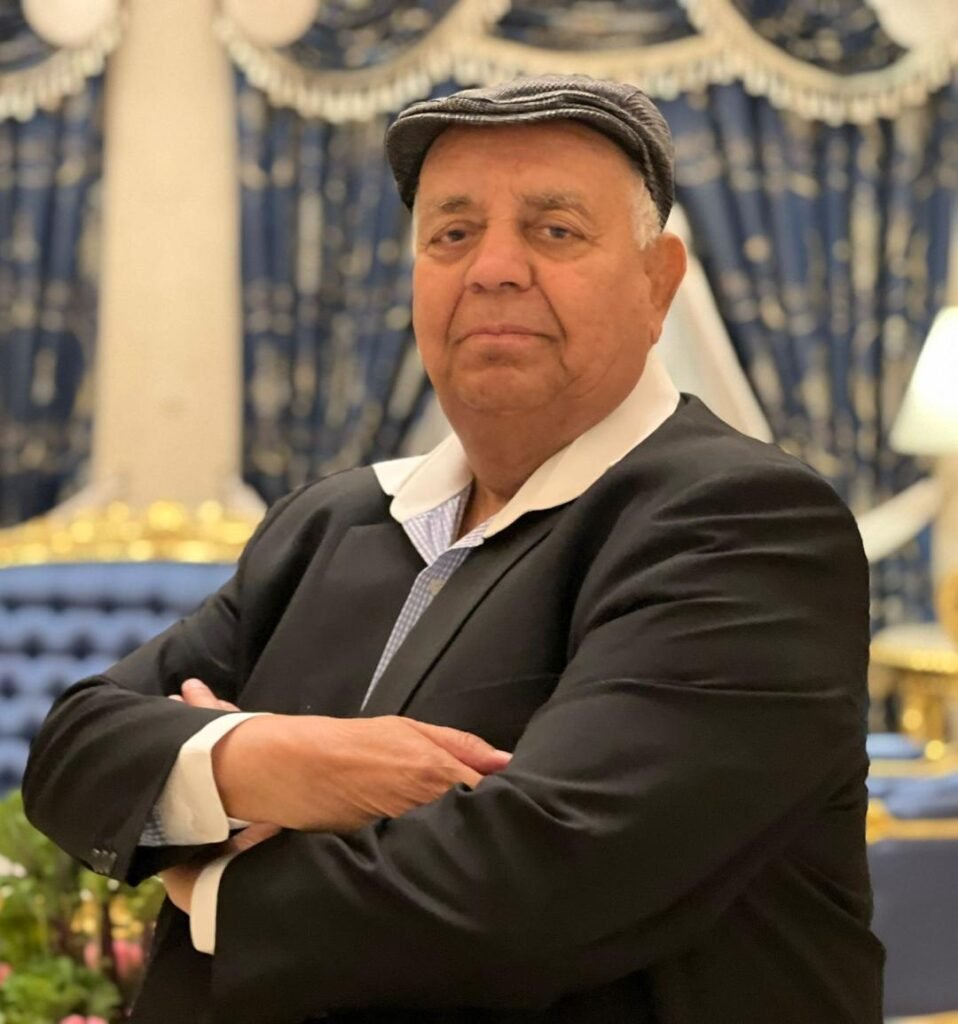
Ashraf Sidddiqui ia a veteran Doha-based journalist with about 50 years in the Gulf, he reports on the diplomatic sector and day-to-day regional and international conferences hosted in Qatar.)

 American Chamber of Commerce Qatar
 Bangladeshi Community
 Filipino Community
 Indian Community
 Nepali Community
 Pakistani Community
 Sri Lankan Community