Doha, 31 Jan. 2026
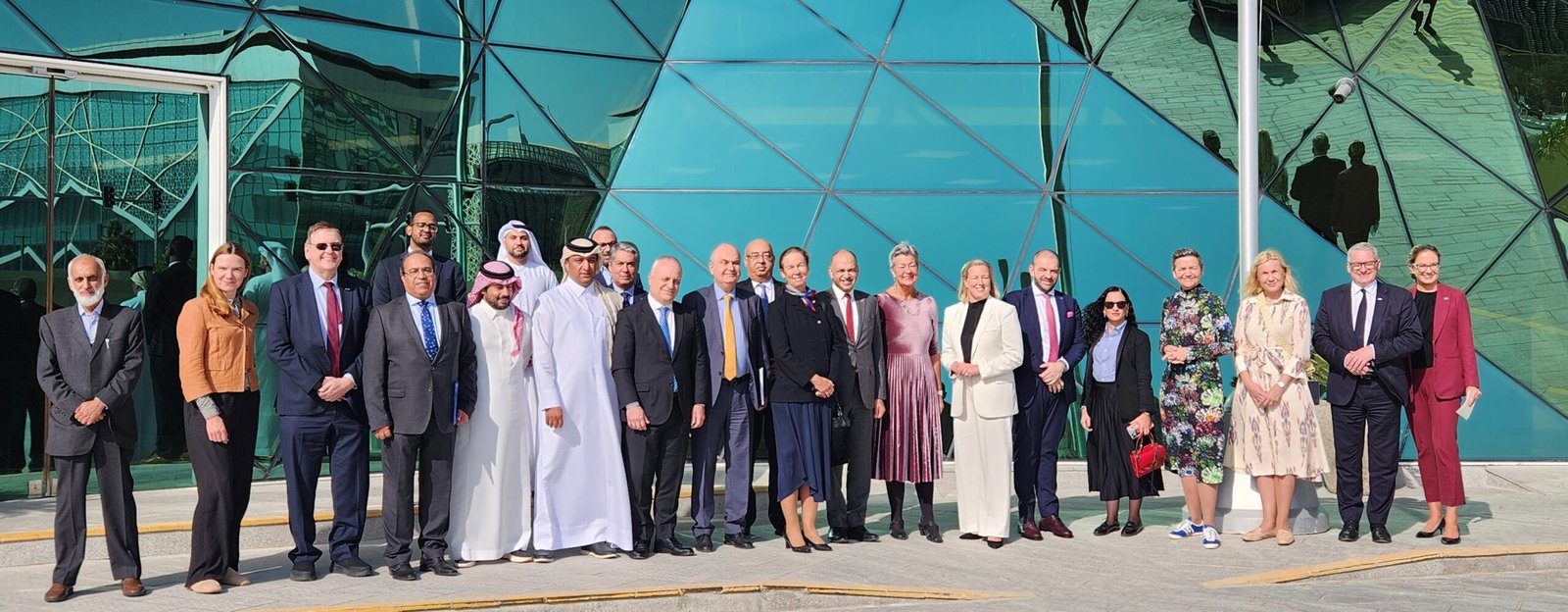
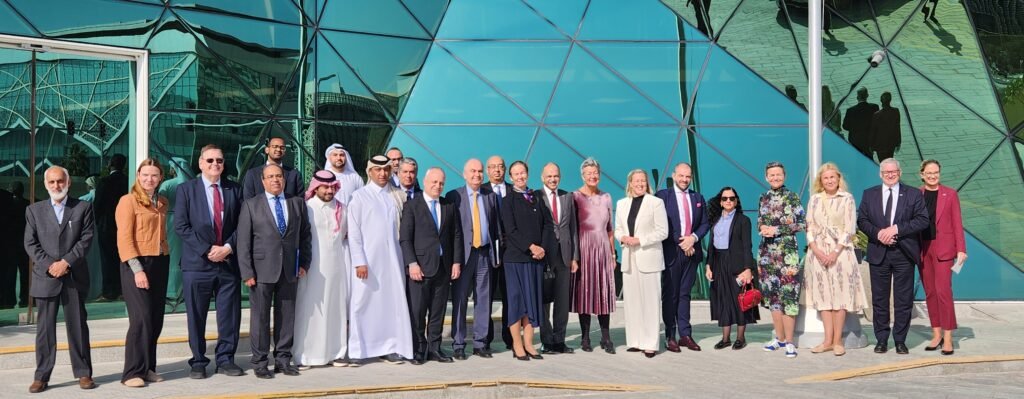
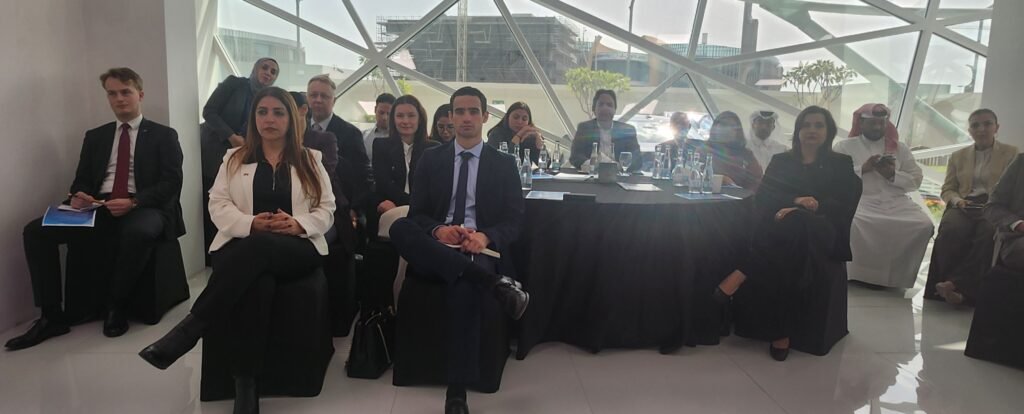
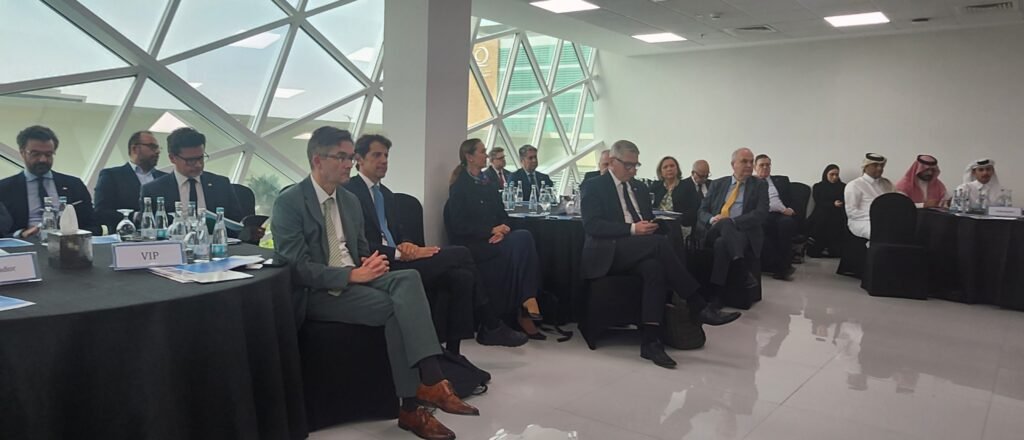
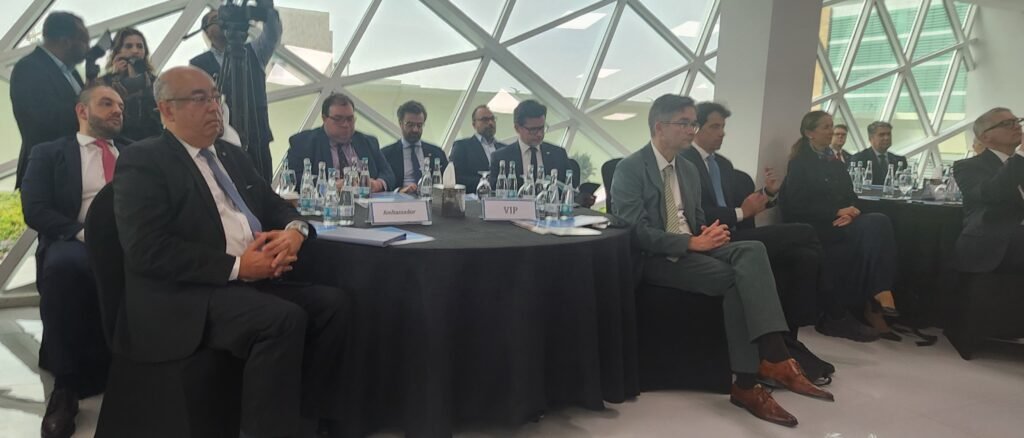
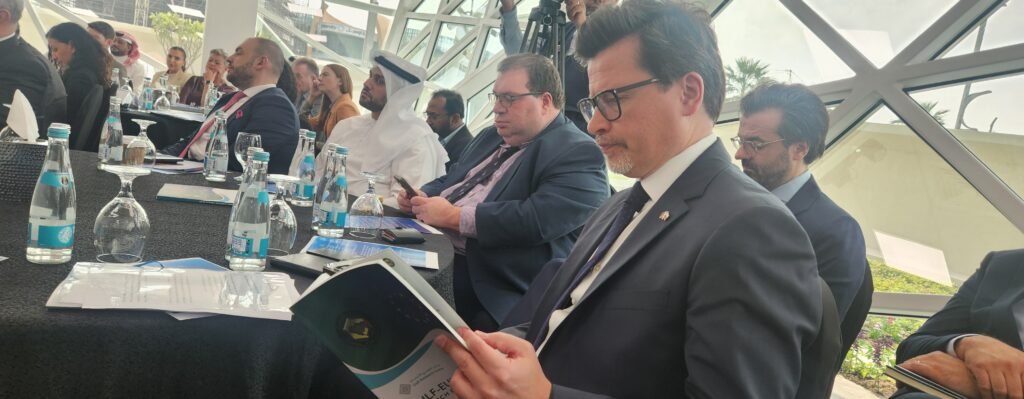
The Embassies of Finland and Sweden, together with the European Union Delegation and in partnership with the UNESCO Regional Office, convened a high-level seminar last Thursday in Doha titled 'Gulf, Nordic and Europe: The New Strategic Partnership for Human Capital'
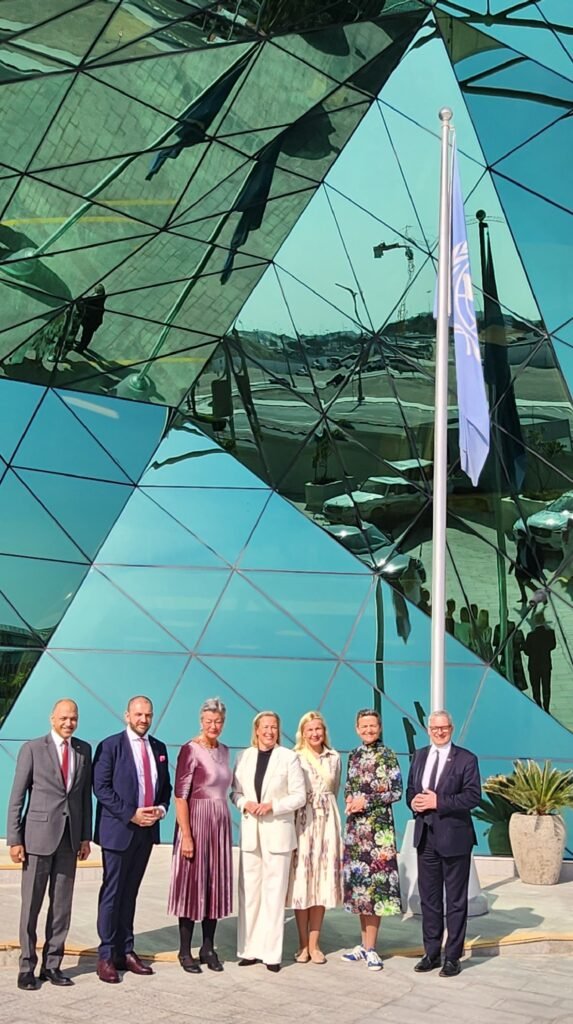
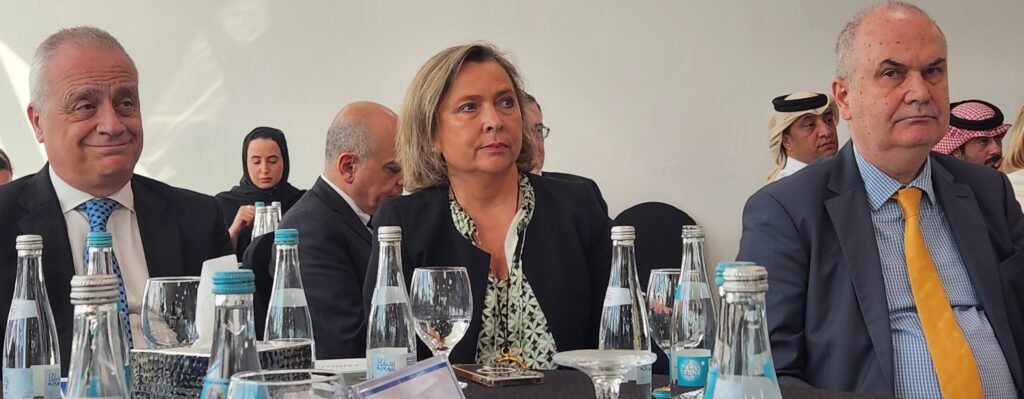
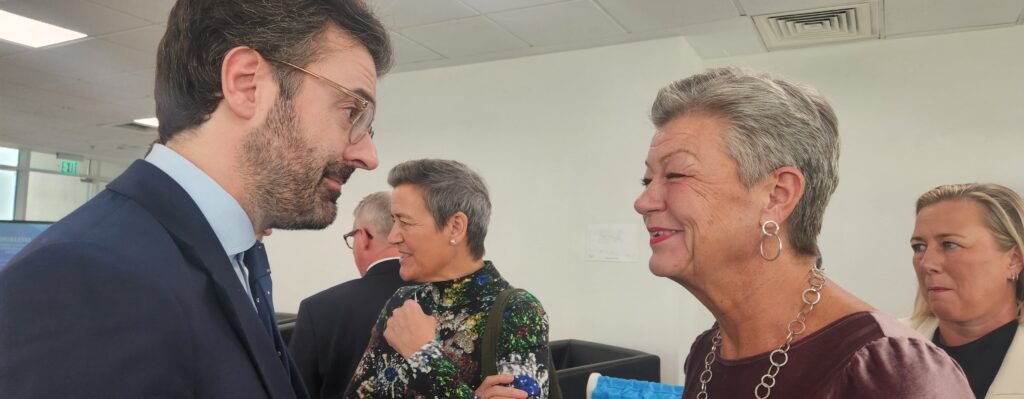
EU envoys stressed the need of advancing EU-GCC trade relations through strategic partnership. The seminar was attended by former EU Commissioners from Finland, Denmark, Sweden, and Estonia, alongside ambassadors and diplomats from EU Member States, and other parts of the region.
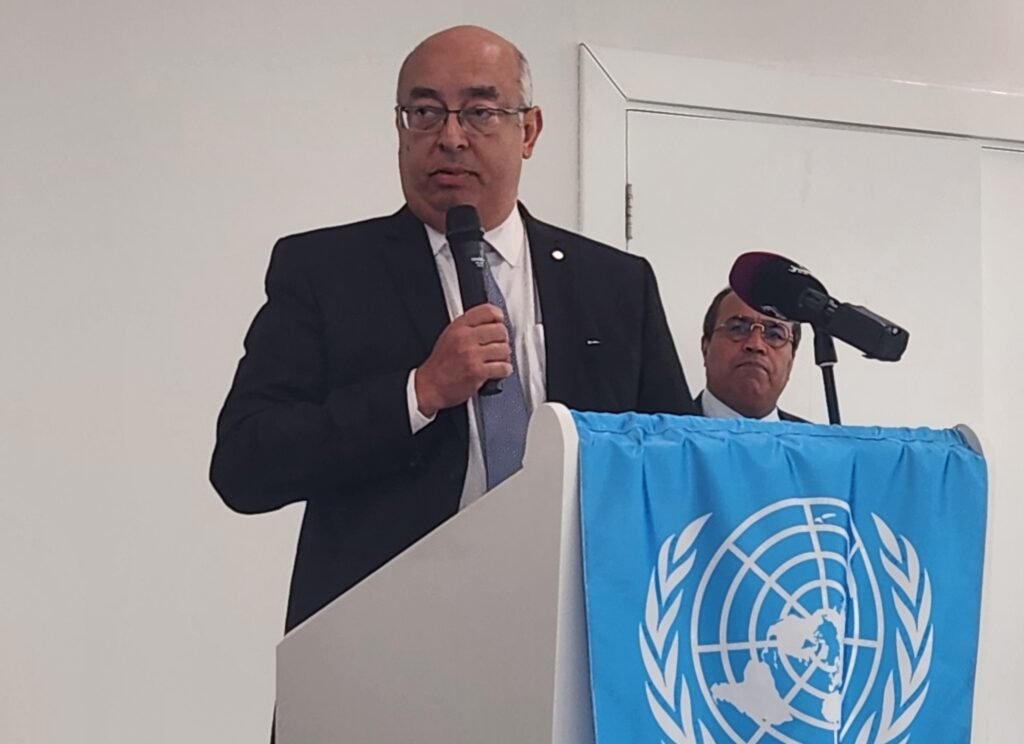
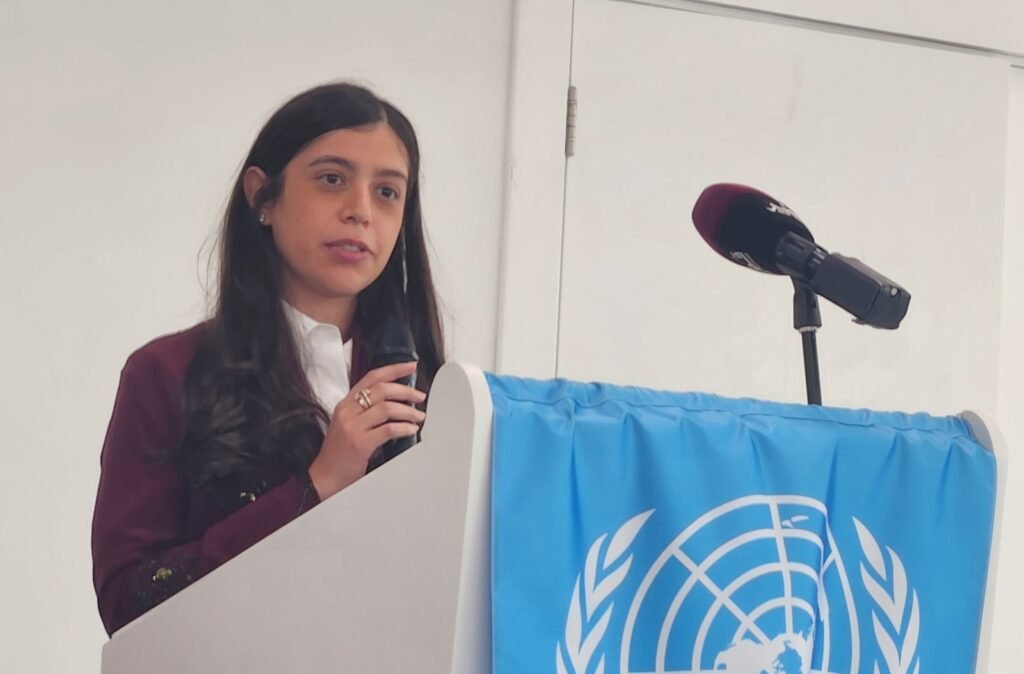
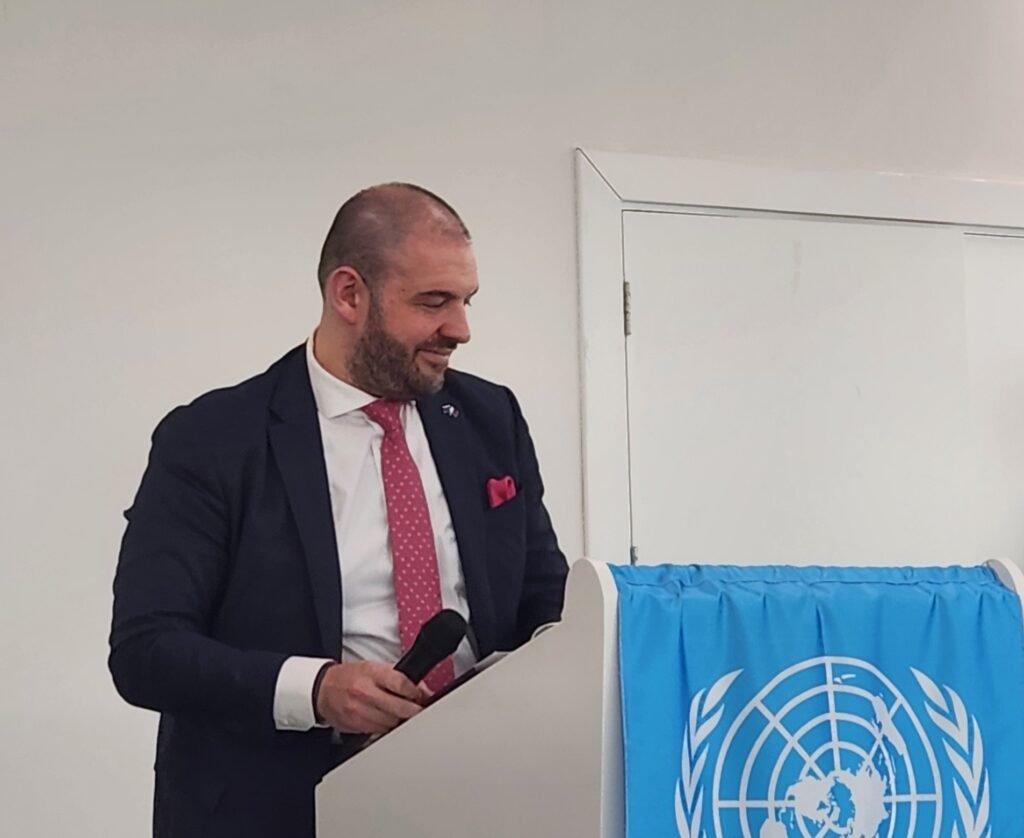
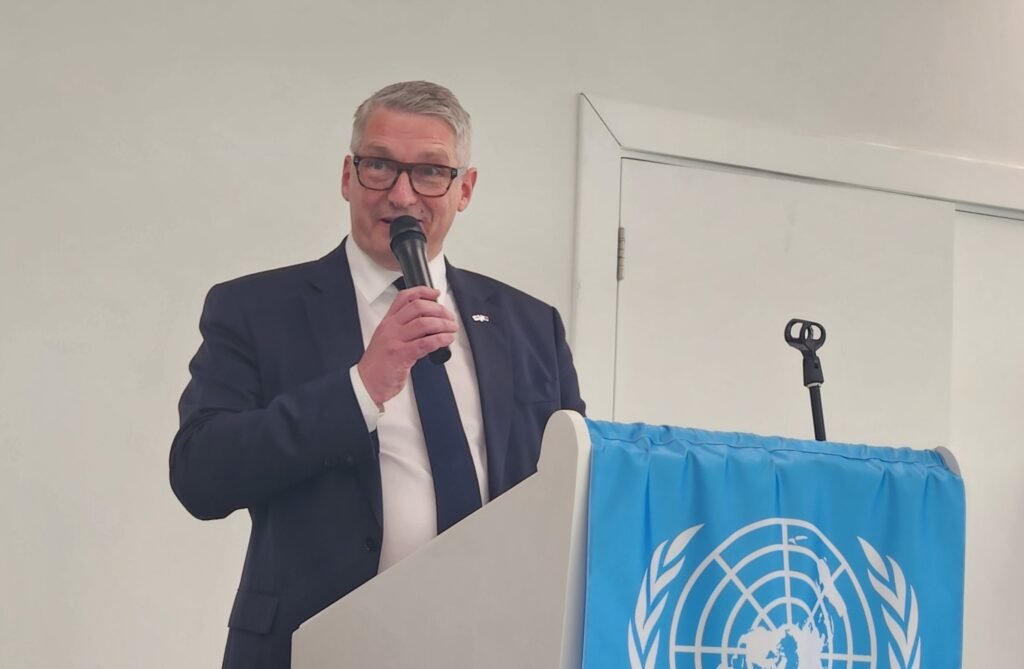
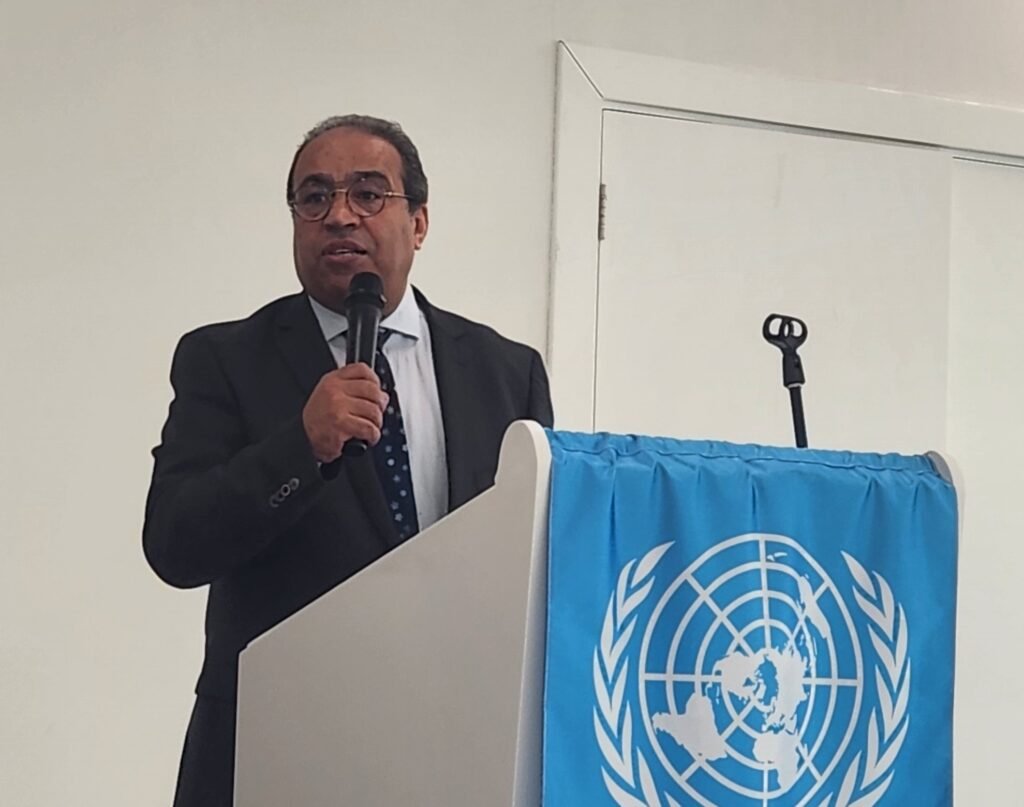
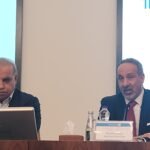
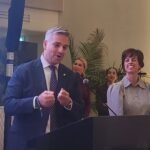
Opening remarks were delivered by Juha Mustonen, Ambassador of Finland to Qatar; Salah Khaled, Director of the UNESCO Regional Office for the Gulf and Yemen; and Cristian Tudor, Ambassador of the European Union to the State of Qatar. The discussion was further enriched by insights from Ms. Amnah Mosly of the Gulf Research Center and Dr. Dalia Ghanem, Director of the Middle East Council for Global Affairs.
In his welcome address, Ambassador Mustonen emphasized that the seminar formed part of a continuing dialogue between Europe and the Gulf, building on earlier Nordic–Gulf engagements held at the UN House in Doha. He noted that both regions share a growing recognition that investment in human capital—particularly skills suited for digital and knowledge-driven economies—is a strategic priority. He highlighted the Gulf’s rising importance to Europe in areas such as connectivity, energy security, trade, and diplomacy, while also acknowledging the need to move beyond long-stalled discussions on trade and visa liberalization toward more practical, results-oriented cooperation.
UNESCO Regional Director Salah Khaled underscored the timeliness of the dialogue, pointing to the profound transformations reshaping economies and labor markets worldwide. He stressed that infrastructure and technology alone cannot deliver sustainable growth without people being equipped with the right skills, values, and opportunities. Digital and green skills, he noted, are now foundational for inclusive development, and the Nordic–Gulf partnership offers a unique platform to align policy, research, and action in this area.
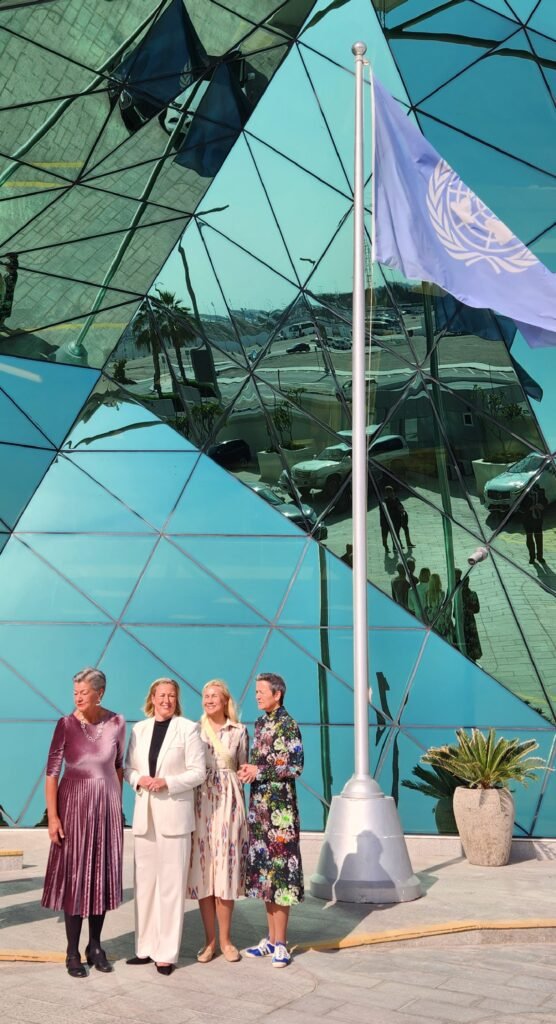
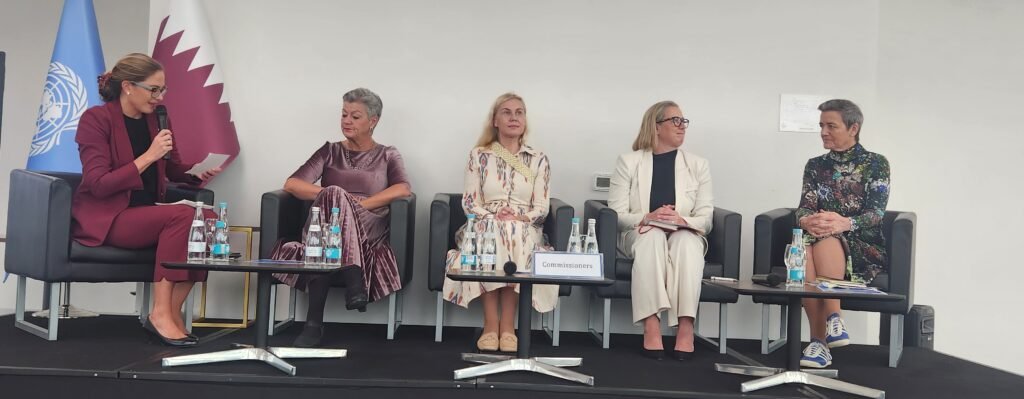
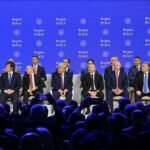
A panel discussion, moderated by Finland’s Deputy Head of Mission, featured former EU Commissioners Margrethe Vestager (Denmark), Ylva Johansson (Sweden), Kadri Simson (Estonia), and Jutta Urpilainen (Finland). The panelists shared reflections on Europe’s shifting role in global affairs, emphasizing pragmatism, predictability, and partnership. They highlighted the EU’s move toward stronger external engagement while maintaining its commitment to a rules-based international order.
Throughout the seminar, speakers repeatedly pointed to the Gulf region as a key strategic partner not only in economic and energy matters, but also in diplomacy, education, and people-to-people exchanges. The discussions concluded on a note of cautious optimism, with participants agreeing that deeper cooperation between Europe, the Nordics, and the Gulf can help shape more resilient, inclusive, and future-ready societies grounded in shared responsibility and dialogue.

 American Chamber of Commerce Qatar
 Bangladeshi Community
 Filipino Community
 Indian Community
 Nepali Community
 Pakistani Community
 Sri Lankan Community