Doha, 14 March 2026
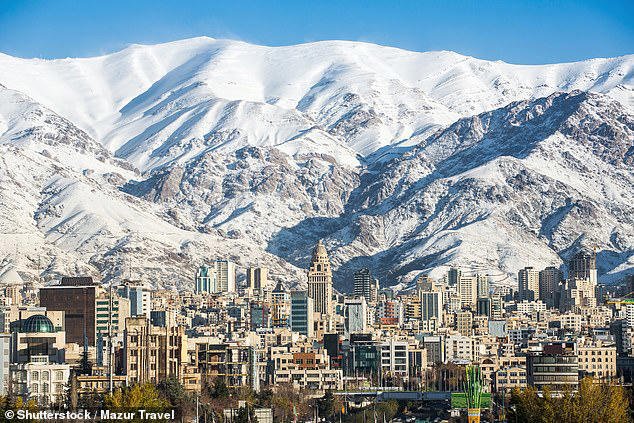
Iran’s geography has long been considered one of its greatest strategic defenses. Analysts often describe the country as a vast 'natural fortress', where rugged mountains, deserts, marshlands, and high plateaus combine to create formidable barriers against any invading force. While modern warfare has evolved dramatically, experts argue that Iran’s terrain still poses enormous challenges for any military power considering a ground invasion.
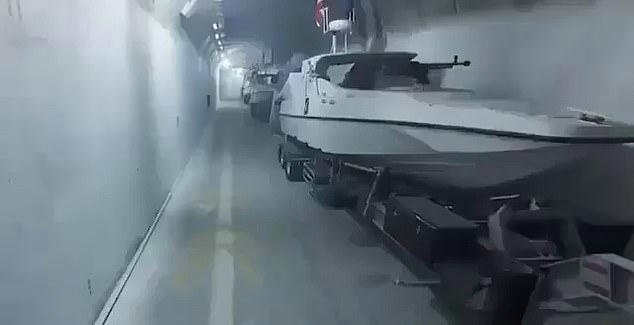
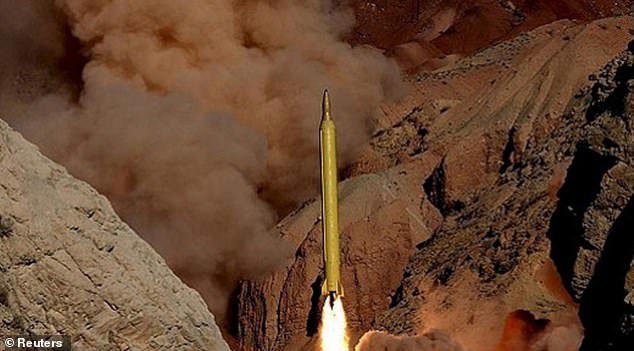
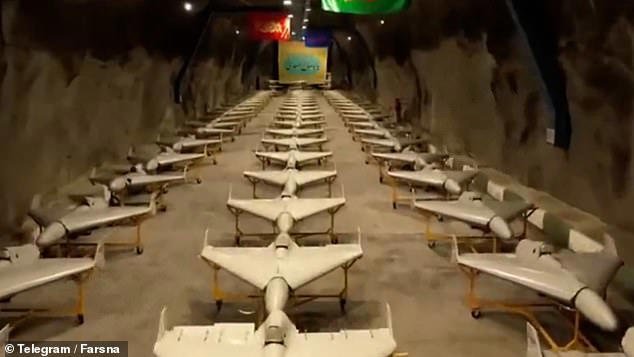
Historically, Iran has rarely been conquered. The last successful invasion occurred in 1941 during World War II, when British and Soviet forces jointly entered the country to secure supply routes and weaken the rule of Reza Shah. At the time, Iran’s military was underdeveloped and unable to resist the combined strength of the invading armies. Since then, however, the country has significantly expanded its defensive capabilities while relying heavily on the advantages provided by its landscape.
Recent geopolitical tensions have revived discussions about the possibility of conflict involving the United States and Iran. Reports of American troop deployments to the Middle East, including thousands of Marines moving from bases in Japan, have fueled speculation about potential military escalation. Some U.S. officials have suggested that Washington is prepared to take further steps if necessary, though earlier statements from the White House indicated that large-scale ground operations were not currently planned.
Despite such rhetoric, military analysts caution that invading Iran would be vastly more complex than many past conflicts. The country is enormous—covering more than 630,000 square miles, larger than several major European nations combined—and it is home to more than 93 million people. Its size alone would make controlling territory extremely difficult.
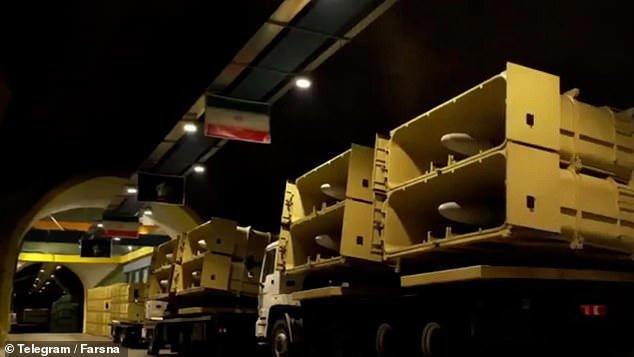
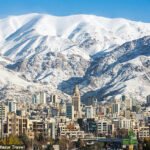
Much of Iran’s terrain is mountainous, with three major ranges dominating the landscape. The longest of these, the Zagros Mountains, stretches nearly a thousand miles from the country’s northwest toward the Strait of Hormuz. Towering peaks and narrow valleys create natural defensive positions, while many military and nuclear installations are believed to be hidden within these rugged regions. Other mountain systems, such as the Alborz range near the Caspian Sea—home to Mount Damavand, the nation’s tallest peak—add further layers of natural protection.
Mountain warfare is notoriously difficult. Steep slopes, harsh weather, and thin air complicate the movement of soldiers and vehicles. High altitudes can also affect the physical performance of troops who are not acclimatized. NATO studies have long noted that mountain combat often forces armies to operate in smaller units, which increases flexibility but can also leave them vulnerable to ambushes by defenders familiar with the terrain.
Iran’s military strategy appears to capitalize on these advantages. The country’s Revolutionary Guard forces are trained in guerrilla-style warfare and are deeply familiar with local landscapes. Even if an enemy were able to defeat conventional forces, irregular fighters could continue to resist for years.
Other regions of Iran present different but equally serious challenges. In the southwest, the Khuzestan province contains vast wetlands where heavy vehicles such as tanks can easily become stuck in saturated ground. Meanwhile, central Iran is dominated by enormous salt deserts like Dasht-e Kavir and Dasht-e Lut, where extreme heat, scarce water, and corrosive salt dust create harsh conditions for both troops and equipment.
Control of nearby waterways also plays a critical role. Iran sits along the Strait of Hormuz, a narrow but vital shipping route through which a significant portion of the world’s oil normally passes. Any naval force operating in nearby waters could face significant risk from Iranian defenses along the coast.
Because of these combined factors, some experts believe a full-scale invasion would be extremely costly and uncertain. Instead, analysts suggest that if military action were ever attempted, it would more likely involve limited operations targeting specific facilities—particularly key nuclear sites—rather than a broad campaign to occupy the country.
Even such targeted missions, however, would carry substantial risks. Iran’s terrain, defensive infrastructure, and experienced security forces mean that any operation would likely take place in one of the most challenging military environments in the world.

 American Chamber of Commerce Qatar
 Bangladeshi Community
 Filipino Community
 Indian Community
 Nepali Community
 Pakistani Community
 Sri Lankan Community