Tel Aviv, 26 Feb 2026
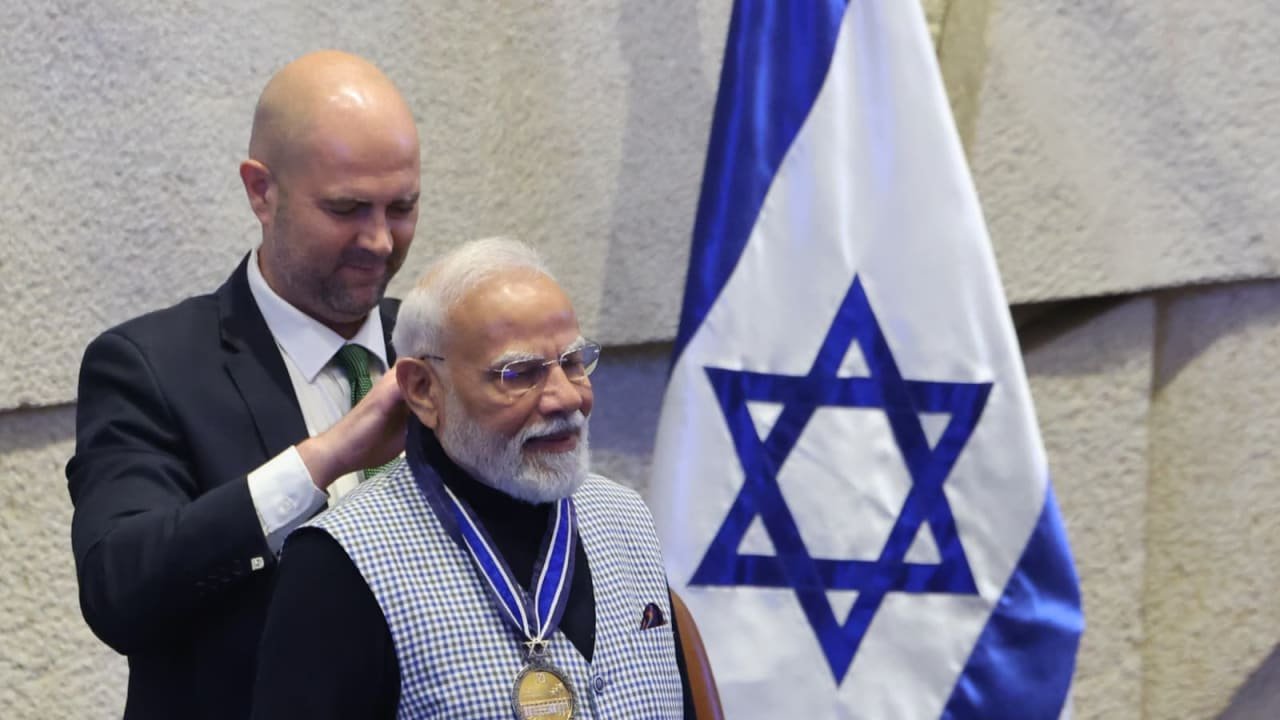
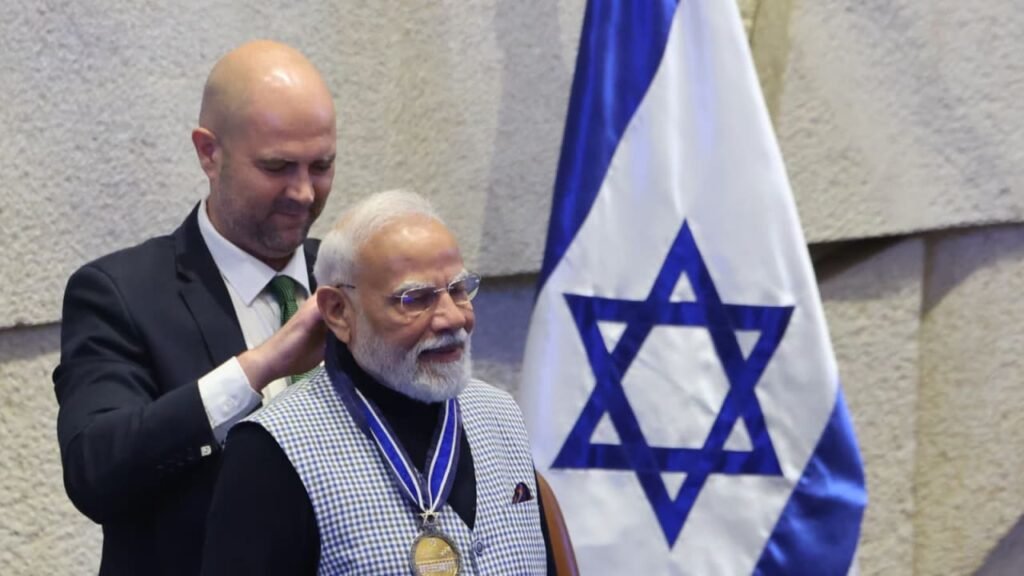
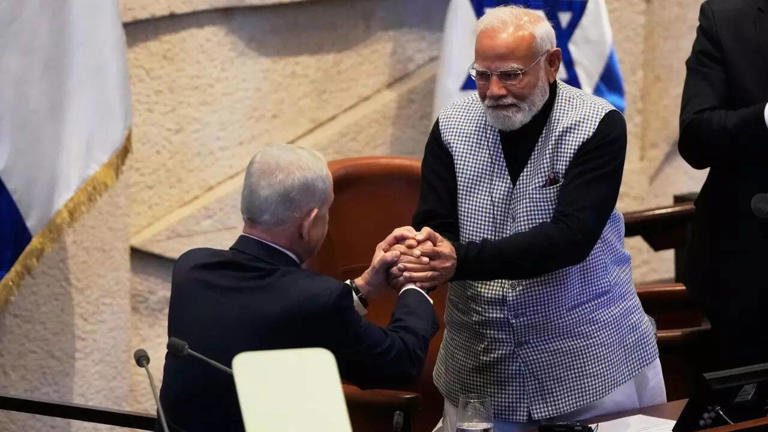
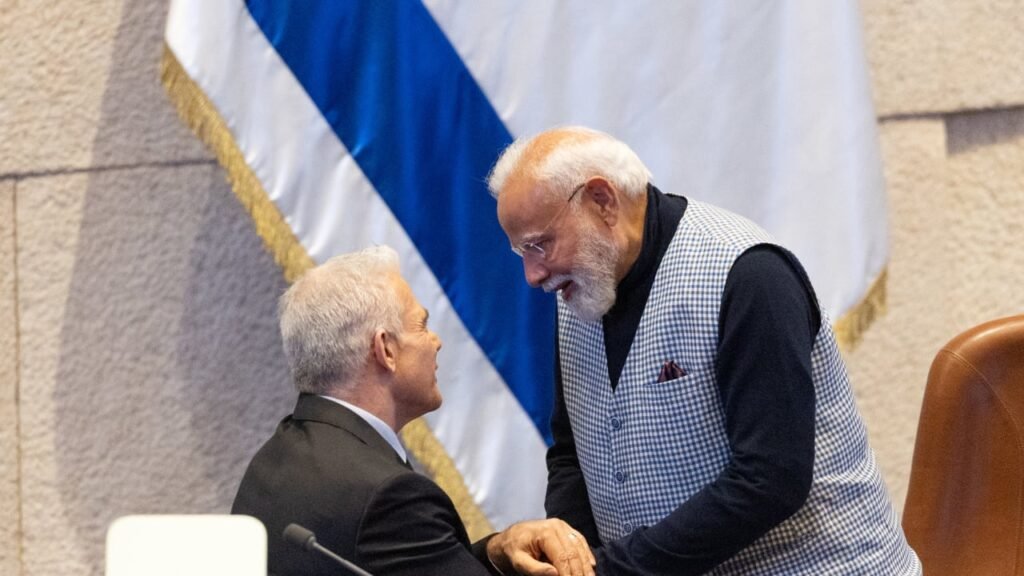
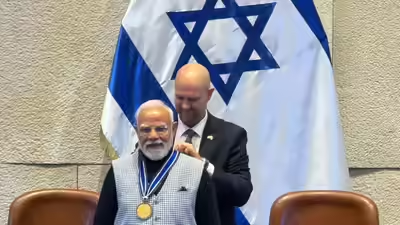
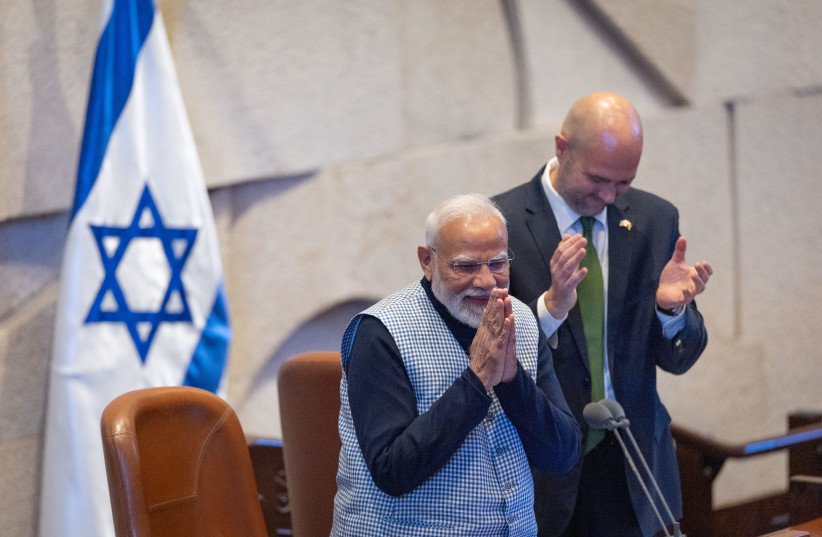
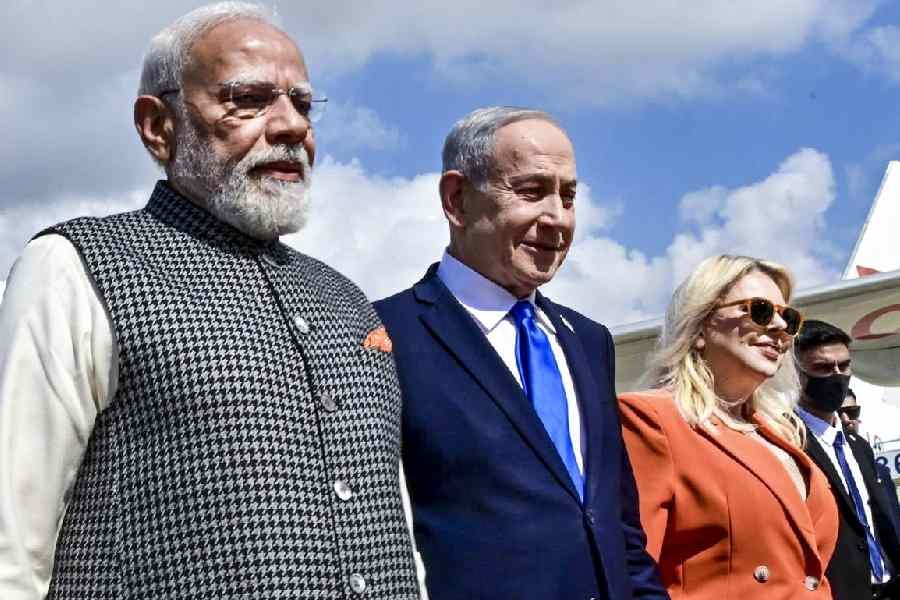
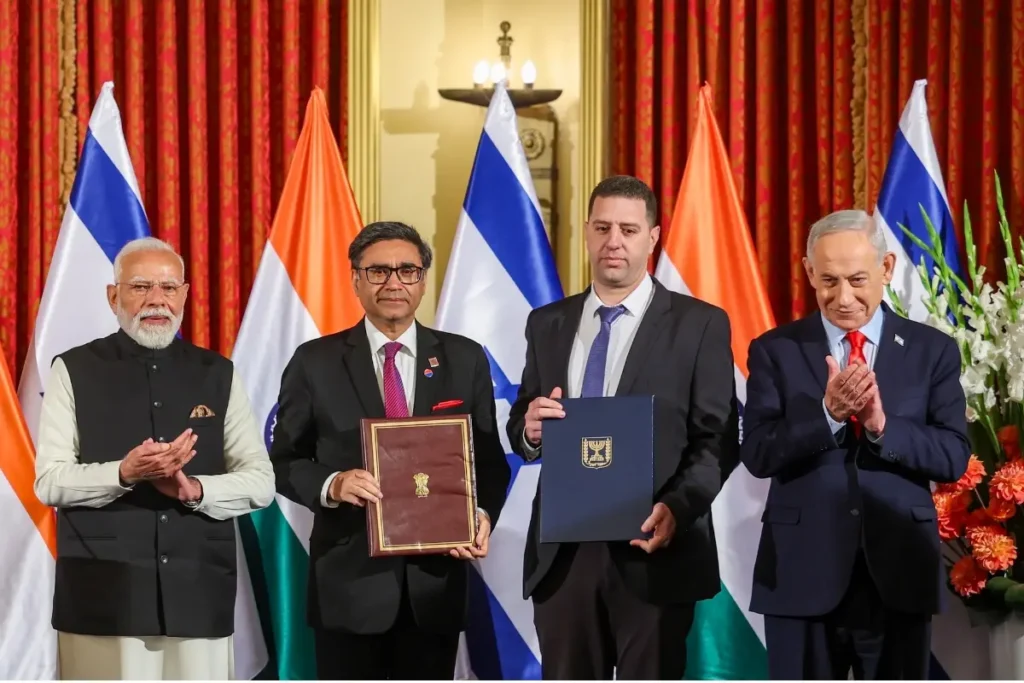
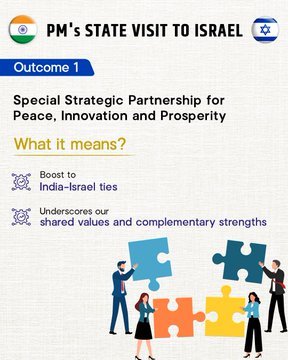
Indian Prime Minister Narendra Modi’s recent visit to Israel marked another significant chapter in the steadily expanding relationship between the two nations. During the two-day trip—his second visit in nine years—both sides reaffirmed their resolve to deepen cooperation across defence, trade, innovation, agriculture, and cultural exchange, elevating ties to what they described as a “Special Strategic Partnership.”
A major focus of the visit was defence collaboration. The two countries reiterated their commitment to advancing joint development and production of military equipment, supported by technology transfer frameworks. Addressing the media, Modi underscored that India’s security interests are closely linked to peace and stability in the Middle East. He reiterated New Delhi’s support for the Gaza Peace Initiative, stressing that conflict should never come at the cost of humanity. He also made it clear that India would continue engaging in dialogue and cooperation with all countries to promote lasting peace.
Both nations expressed a firm and united stand against terrorism. Modi stated that there can be no justification for terrorism in any form and affirmed that India and Israel would continue standing shoulder-to-shoulder in confronting the threat and those who support it.
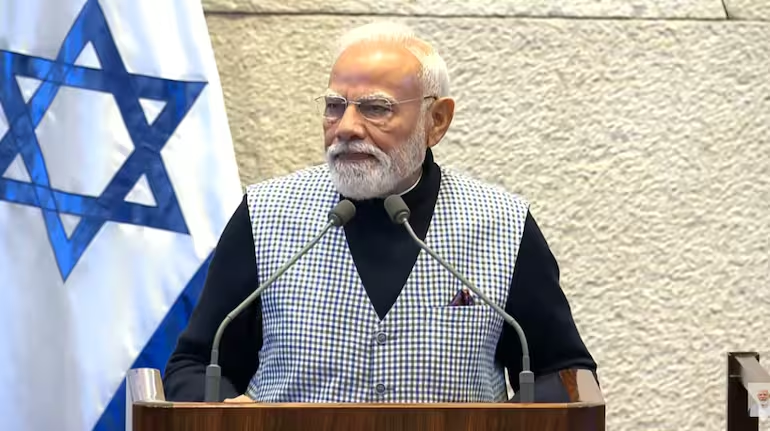
Economic cooperation featured prominently in discussions. The leaders reviewed progress on the India-Middle East-Europe Economic Corridor (IMEC) and engagement under the I2U2 framework, which brings together India, Israel, the UAE, and the United States. Speaking at a special plenary session of the Knesset, Modi highlighted trade, defence, innovation, and cultural ties as central pillars of the partnership. He emphasized that the proposed Free Trade Agreement (FTA) would unlock untapped potential in bilateral commerce, noting that current trade levels fall short of the true possibilities.
Modi also pointed to India’s strong economic trajectory, describing it as one of the fastest-growing major economies, and said Israel’s leadership in innovation and technology naturally complements India’s scale and growth ambitions. He referenced the 2018 inauguration of the iCreate Technology Business Incubator with former Prime Minister Benjamin Netanyahu, noting that it has since supported hundreds of start-ups. He identified emerging sectors such as artificial intelligence, quantum technologies, and semiconductors as promising areas for deeper collaboration.
Agriculture and water management were cited as standout success stories. Israeli expertise in precision irrigation has significantly benefited Indian farming, with 43 Centres of Excellence already established across India, training more than half a million farmers. Modi proposed expanding these to 100 centres to widen the impact.
Beyond policy and economics, the visit highlighted strong people-to-people ties. Modi noted the growing popularity of yoga and Ayurveda in Israel and acknowledged the dedication of Indian workers there, particularly during times of crisis. Drawing parallels between the Jewish concept of Tikkun Olam and India’s Vasudhaiva Kutumbakam, he emphasized shared philosophical values that stress responsibility beyond borders.
Reflecting on historical connections and shared democratic traditions, Modi expressed confidence that the India-Israel partnership would continue to contribute not only to mutual prosperity but also to global stability in an increasingly uncertain world.

 American Chamber of Commerce Qatar
 Bangladeshi Community
 Filipino Community
 Indian Community
 Nepali Community
 Pakistani Community
 Sri Lankan Community