Tehran, March 12, 2026 (CBS News)
Iran’s state-run media on Thursday released the first public statement attributed to the country’s newly appointed Supreme Leader, Mojtaba Khamenei, following the death of his father and predecessor, Ali Khamenei. The elder Khamenei was killed on February 28 during the opening phase of joint U.S.-Israeli strikes on Iran, an event that significantly altered the country’s leadership at a time of escalating regional tensions.
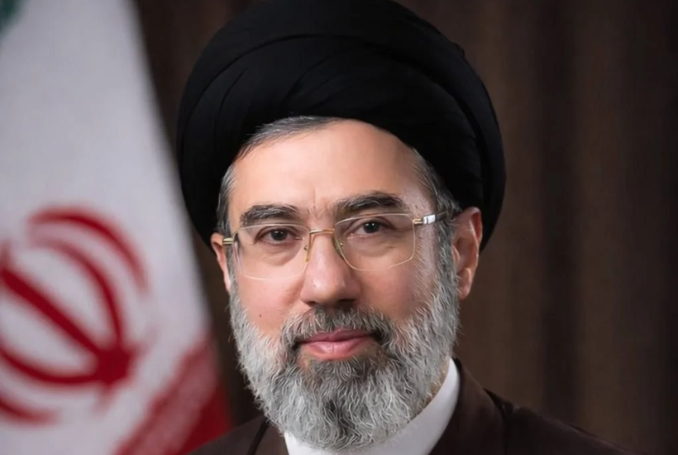
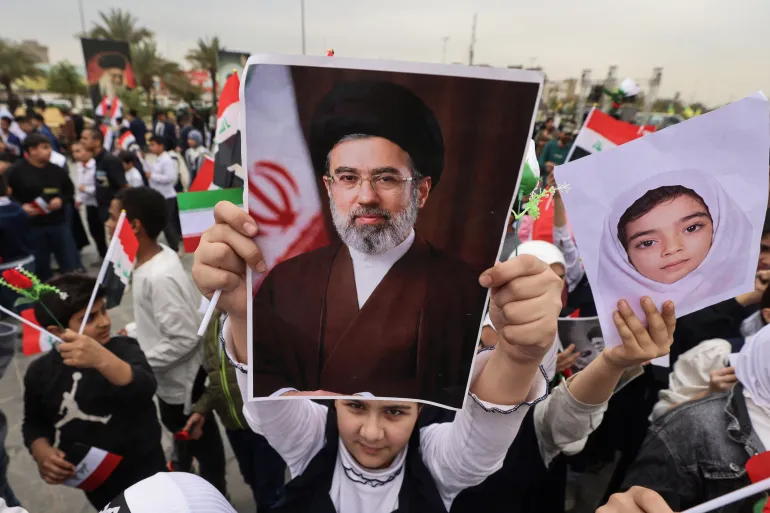
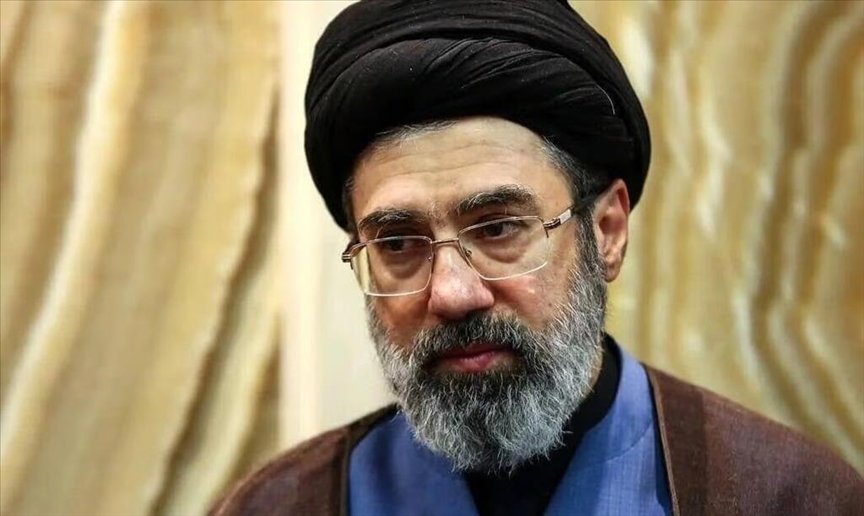
The message was broadcast on Iranian state television and read by a presenter while a photograph of Mojtaba Khamenei appeared on screen. However, the broadcast did not include any audio or video of the new leader himself. The format fueled ongoing speculation that he may have been injured in the same attack that killed his father. Some rumors have suggested he could be seriously incapacitated.
An Iranian official said Wednesday that the new supreme leader had been wounded in the strike but insisted he was “alive and well.” Still, he has not been seen publicly since the conflict began, which has continued to raise questions about his condition.
In the statement attributed to him, Khamenei said he learned of his appointment as Supreme Leader through state television, the same way many Iranians did. He acknowledged the difficulty of following in the footsteps of his father, who ruled the country for decades. Recalling a visit to his father’s body after the attack, he described seeing what he called “a mountain of strength,” adding that the late leader’s hand remained clenched in a fist.
The message also highlighted the role of ordinary Iranians in the days following Ali Khamenei’s death. According to the statement, before a new leader was formally chosen, “it was the people who led the country and preserved its authority.”
Khamenei expressed gratitude to Iran’s military forces and suggested that Tehran intends to continue using the possibility of closing the Strait of Hormuz as leverage in its confrontation with the United States and Israel. He also indicated that Iranian planners were studying other potential areas of conflict where their adversaries might be more vulnerable, hinting that additional fronts could open if the war continues.
The statement praised members of what Iran calls the “Resistance Front,” referring to allied groups across the Middle East. It specifically mentioned forces in Yemen, Lebanon, and Iraq, including the Iran-backed Hezbollah, describing them as some of the Islamic Republic’s closest allies.
Khamenei also addressed Iranians who had lost relatives, been injured, or suffered damage to their homes and businesses in the strikes. He expressed sympathy and said he too had experienced personal loss, claiming that in addition to his father he had lost his wife, sister, and other relatives.
The statement urged grieving families to remain patient and faithful while promising that Iran would pursue retaliation for those killed. It declared that every Iranian casualty would be treated as a separate case for revenge.
Finally, the message addressed Iran’s relations with neighboring Gulf states. While insisting that Tehran still seeks constructive ties with regional countries, it accused outside powers of establishing military bases in some of those nations to strengthen their influence. According to the statement, certain bases were used during the U.S.-Israeli attacks, and Iran would continue targeting such facilities if necessary while maintaining that it still values friendship with its neighbors.

 American Chamber of Commerce Qatar
 Bangladeshi Community
 Filipino Community
 Indian Community
 Nepali Community
 Pakistani Community
 Sri Lankan Community