Doha, 14 Feb 2026
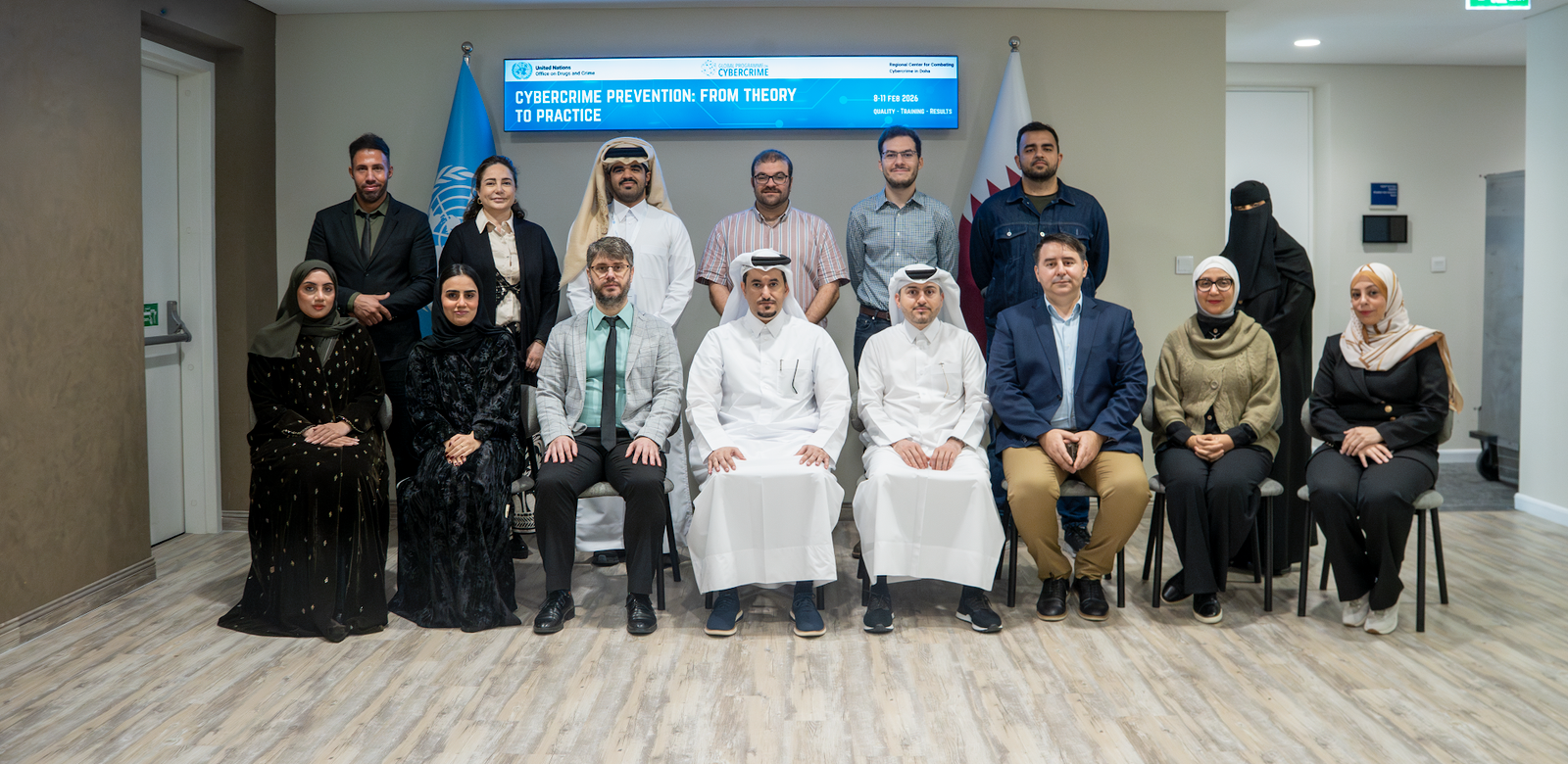
The United Nations Office on Drugs and Crime (UNODC) Regional Center for Combating Cybercrime in Doha joined forces with the Qatar Foundation Alumni Office recently mark Safer Internet Day (February 10th) by delivering a week-long training program on cybercrime prevention for Qatar Foundation university alumni.
Observed annually each February, Safer Internet Day is a global initiative dedicated to promoting online safety and empowering young people and communities to navigate the digital world responsibly and securely.
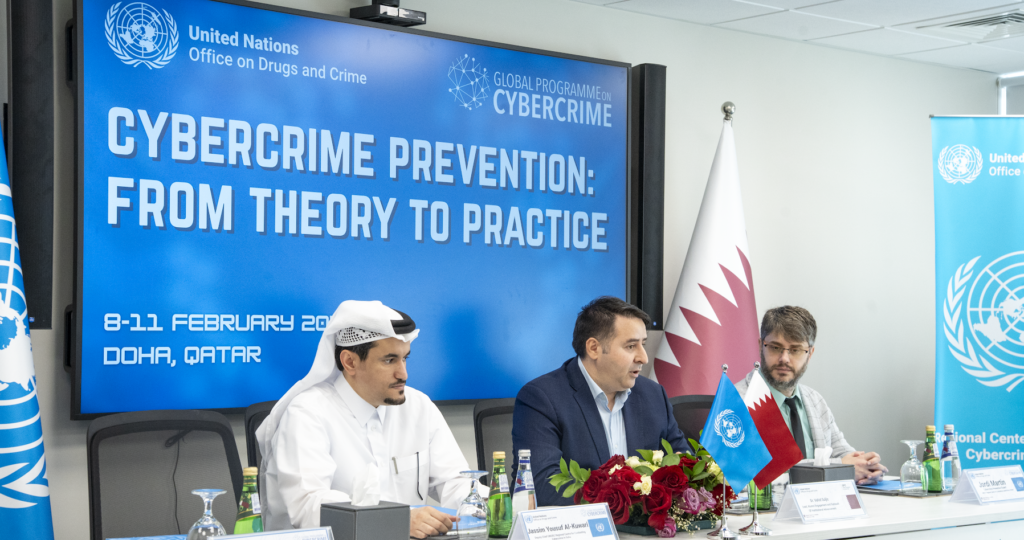
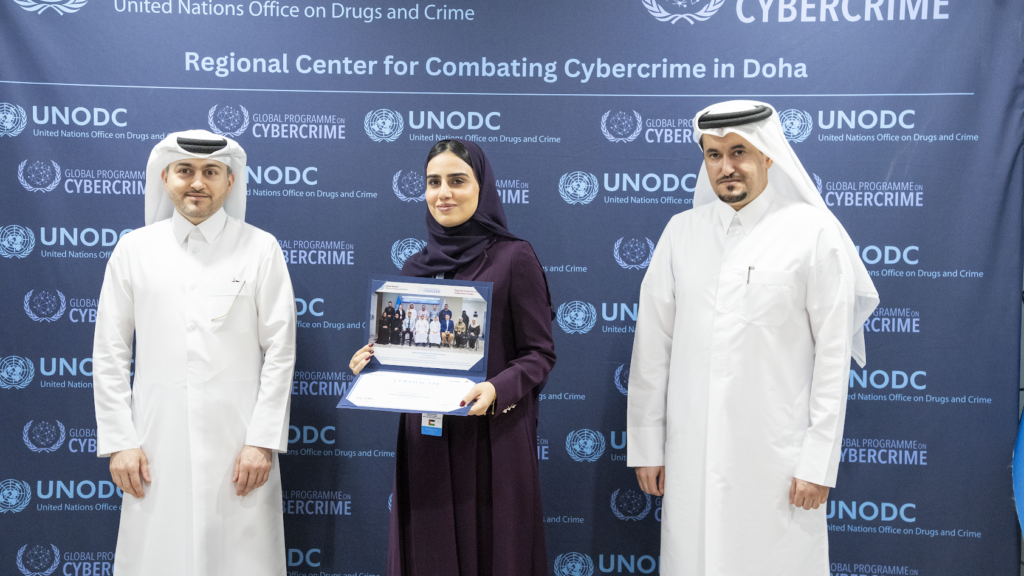
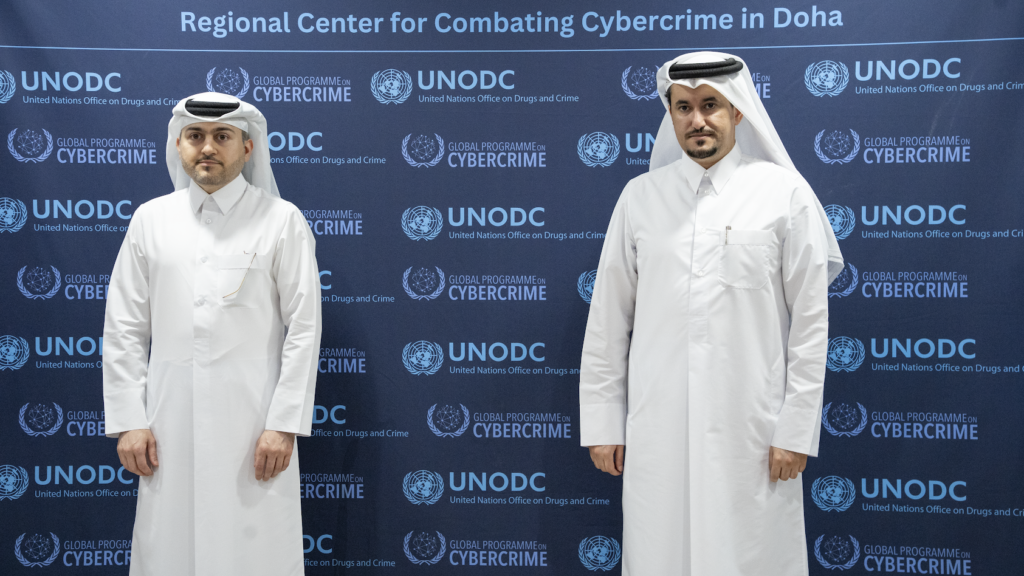
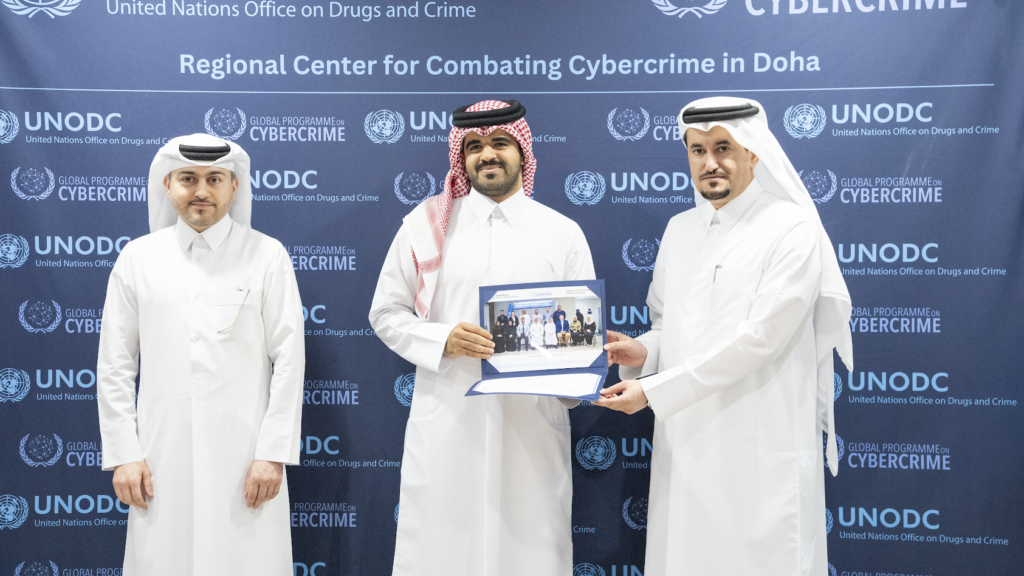
The participants were welcomed by Jassim Yousuf Al-Kuwari, Deputy Chief of the UNODC Regional Center for Combating Cybercrime, and Abdulla A. Al-Emadi, Alumni Engagement Lead at Qatar Foundation.
Titled “Cybercrime Prevention: From Theory to Practice,” the four-day course marked the beginning of a new collaboration between UNODC and the Qatar Foundation Alumni Office. The partnership aims to support educational initiatives both within Qatar and internationally.
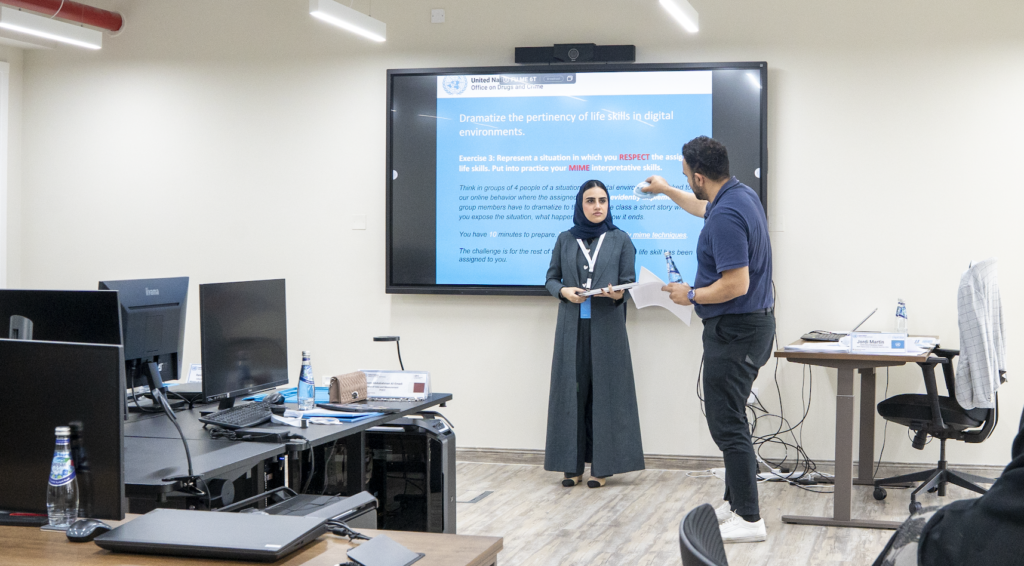
The program featured a comprehensive agenda, beginning with a pre-course assessment survey, followed by icebreaking activities and introductory sessions. Participants explored global and local internet and cybercrime trends, personal online safety, cyber-hygiene practices, essential life skills, cyber ethics and netiquette. The training also addressed critical issues such as cyberbullying, online child sexual exploitation and grooming, non-consensual sharing of intimate material, sextortion, and mis-, dis-, and mal-information. Drawing on UNODC’s experience, the course introduced practical cybercrime prevention strategies and concluded with group and individual presentations, as well as a post-course assessment survey.
Designed to equip participants with practical tools and knowledge, the program emphasized safer internet practices and responsible technology use, with particular attention to protecting children and vulnerable groups from cyber risks. The training reflects a shared commitment by both partners to strengthening digital resilience through education and prevention. It also represents the first of several joint initiatives the Centre intends to implement in collaboration with the Qatar Foundation Alumni Office.
Asmaa Alkuwari, Alumni Engagement Manager at Qatar Foundation, highlighted the importance of empowering graduates to contribute to safer digital communities. She noted that Qatar Foundation views its alumni as lifelong ambassadors of knowledge and positive change, and that the partnership with UNODC underscores a shared commitment to equipping graduates not only with academic excellence, but also with the practical awareness and skills needed to safeguard themselves and others online.
Mustafa Ünal Erten, Chief of the UNODC Regional Center for Combating Cybercrime and Head of the Programme Office in the State of Qatar, emphasized the value of community-driven efforts in preventing cybercrime. He stated that empowering young people with practical knowledge creates a ripple effect, as learning is shared and multiplied within communities—an approach central to UNODC’s Global Programme on Cybercrime.
The initiative aligns with the United Nations Convention against Cybercrime, particularly Article 53, which underscores the importance of public awareness, education, and participation in preventing and combating cybercrime.
Qatar was among the first countries to sign the Convention on October 25 in Hanoi, Viet Nam. The Centre reaffirmed its commitment to expanding partnerships with community-based institutions to advance cybercrime prevention efforts and contribute to a safer digital future for all.

 American Chamber of Commerce Qatar
 Bangladeshi Community
 Filipino Community
 Indian Community
 Nepali Community
 Pakistani Community
 Sri Lankan Community