Doha, 14 Jan. 2026
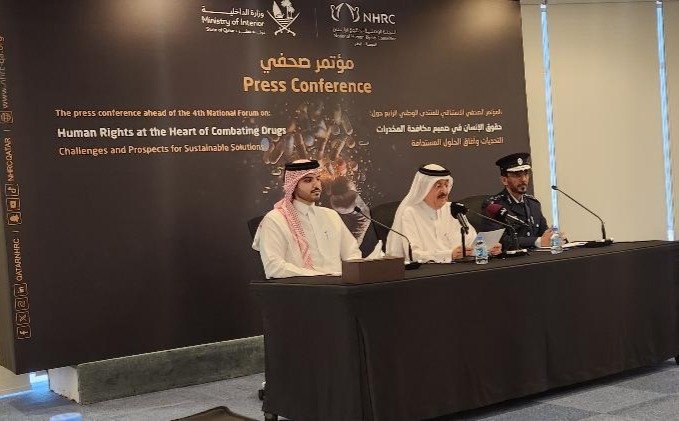
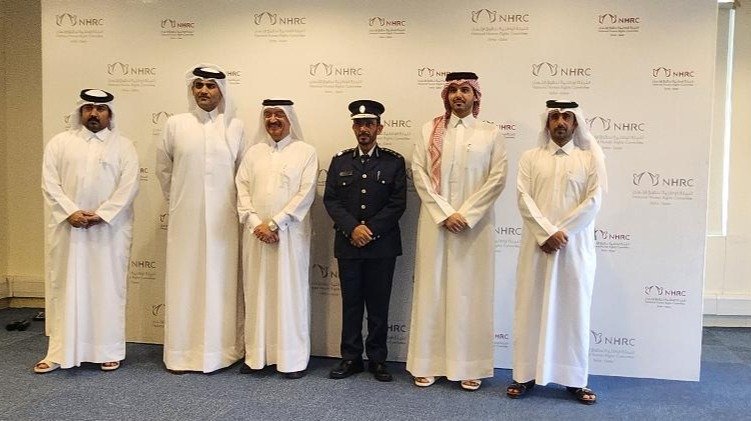
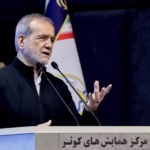
Deputy Chairman of National Human Rights Committee of Qatar (NHRC), Dr. Mohammed bin Saif Al-Kuwari, announced at a press conference held at the NHRC ead Quarters in presence of Brig Gen, HeadquartersHeadquarters Doha in the presence of Brig. Gen. Saad Salem Al Dossari, representing the Ministry of Interior of the State of Qatar, for hosting a vital national conversation on January 20th and 21st.
He said that the Fourth National Human Rights Forum, titled “Human Rights at the Heart of Combating Drugs: Challenges and Prospects for Sustainable Solutions,” represents a unified national front. It brings together the government, human rights advocates, educators, health professionals, security experts, media outlets, and community leaders to tackle one of the world's most persistent challenges with a focus on compassion and effectiveness.
He stressed that the organizing body has set the stage with clarity. “We chose this theme,” he explained, “because the shadow of drug abuse falls across the entire globe. International reports show rising use, and we see clearly how it erodes fundamental human rights—the right to life, to health, to a safe and decent standard of living.”
Dr AlKawari was quick to note Qatar’s relative strength in this area, crediting robust laws and proactive policies. “Thankfully, Qatar is largely shielded from the worst of this scourge. But we cannot be complacent,” Dr. Al-Kuwari warned. “The world is changing. Smugglers use artificial intelligence and the dark web. Our laws and our communities must be agile enough to protect our future.” The ultimate goal, he stated, is to ensure every policy and rehabilitation program aligns with Qatar’s Constitution, its National Vision 2030, and its commitment to human dignity.
A Forum Built on Partnership and Practical Dialogue
This event is a powerful example of collaboration, primarily between the National Human Rights Committee and the Ministry of Interior, with support from multiple other government bodies and civil society.
Brig Gen. Saad Salem Al-Dosari of the Ministry’s Human Rights Department highlighted this deep partnership. “Our work with the Committee, formalized since 2018, is rooted in a shared mission: to embed human rights into the fabric of our security work,” he said. “This forum is a flagship product of that partnership.”
The Ministry of Interior is not just a sponsor but an active contributor, presenting papers on:
- Security Awareness: How public education campaigns prevent drug use.
- Emerging Crime Patterns: How to combat new, high-tech methods of trafficking.
- Rehabilitation in Prisons: How correctional institutions work to heal and reintegrate, not just punish.
“This fight,” Brig. Gen. Al-Dosari emphasized, “is a shared societal responsibility. It requires the police, the schools, the media, and most importantly, every family.”
The Agenda: From Laws to Lived Experience
The forum’s eight sessions are designed to cover every angle:
- The Rulebook: Reviewing international and national laws.
- National Plans: Discussing Qatar’s strategies and policies.
- The Human Rights Lens: Ensuring the response is compassionate and just.
- The Media’s Voice: How responsible reporting and awareness campaigns can save lives.
- Youth Perspectives: Listening to young people as partners in shaping their own safe future.
- The Road to Recovery: Integrating treatment and social reintegration.
- Forging the Path Forward: Turning discussion into concrete recommendations.
The desired outcomes are ambitious and practical: from creating a new, permanent national awareness unit to publishing a book of the forum’s insights that can guide regional efforts.
Direct Questions, Candid Responses
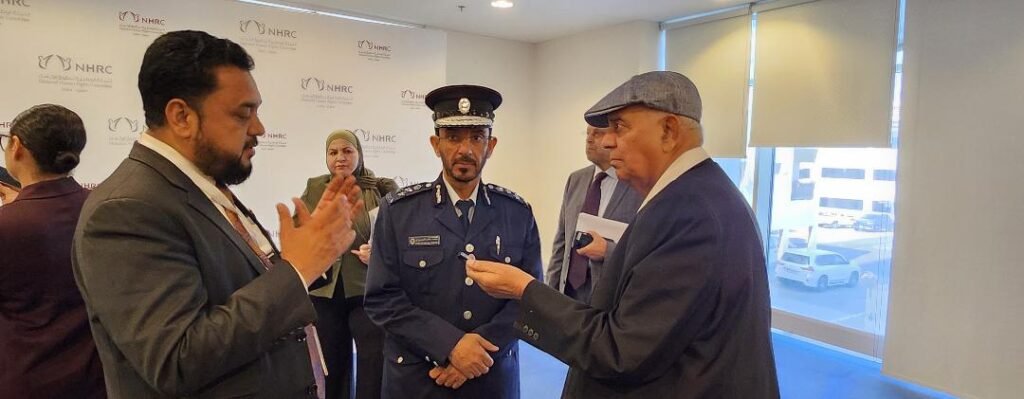
On the sidelines, journalists sought more specific answers.
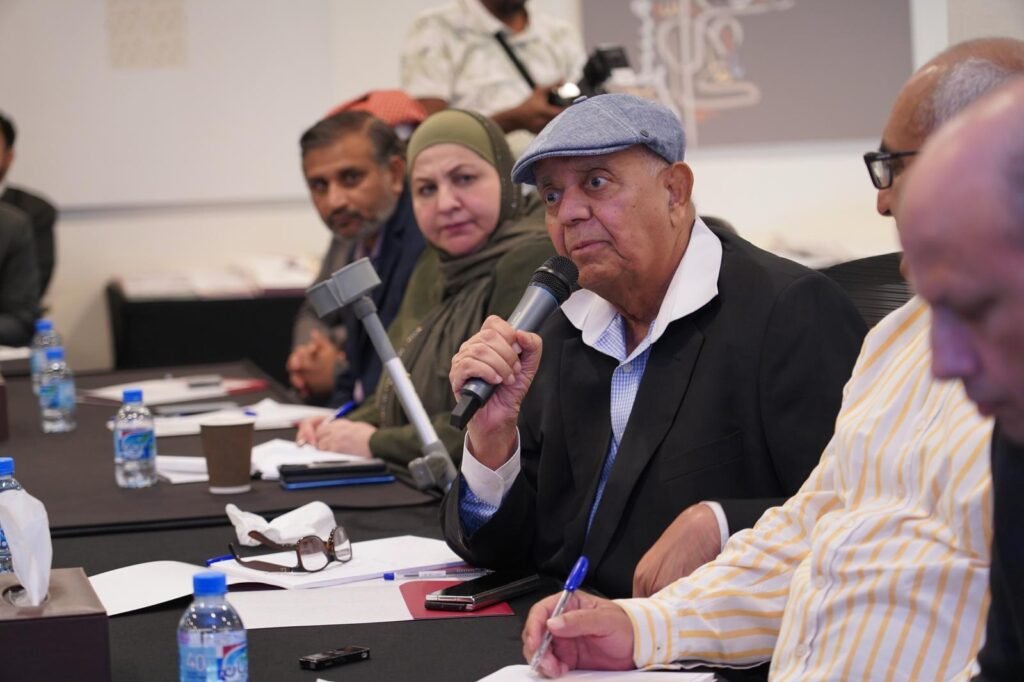
When asked by Asian Telegraph Qatar about the media’s role, the Deputy Chairman of the Human Rights Committee was enthusiastic. “A brilliant question,” he began. “As a believer in free speech, I envision a dedicated platform—perhaps jointly run with security experts—where journalists and writers can create powerful content. Books, articles, publications that truly inform and protect people. It’s a simple but powerful idea I fully support.”
A more pointed question was put to Brig. Gen. Saad Al-Dosari regarding challenges and the role of the Pakistani community—one of Qatar’s largest expatriate groups.
His response was candid and direct. “I am aware of concerns regarding some individuals from Pakistan, both those arriving and within Doha,” he stated. “But I must be honest—I do not have the precise statistics or case details at my fingertips right now.”
When pressed on what the community itself could do, his tone became one of solemn appeal. “The role is profound. There is a big responsibility, especially on leaders and elders coming from Pakistan, to ‘kill’ this issue at its root. You must use your voice within your community. Convey this message powerfully: the punishments here are severe, including decades in prison. Do not let your sons or countrymen throw their lives away. The Pakistani community has the strength and the standing to take advantage of this forum’s message and be a decisive part of the solution.”
A Forward-Looking Vision
Together, these statements paint a picture of a nation taking a mature, holistic stance. Qatar is leveraging its security successes to build a more profound, rights-based defense system. The forum acknowledges that you cannot simply police your way out of a drug problem; you must also educate, rehabilitate, include the youth, empower the media, and call upon every segment of society—including expatriate communities—to be guardians of their own well-being and that of the nation they call home.
It is an effort to build not just a safer Qatar, but a healthier, more aware, and more resilient society for all who live within it.

 American Chamber of Commerce Qatar
 Bangladeshi Community
 Filipino Community
 Indian Community
 Nepali Community
 Pakistani Community
 Sri Lankan Community