Dhaka, 30 December 2025
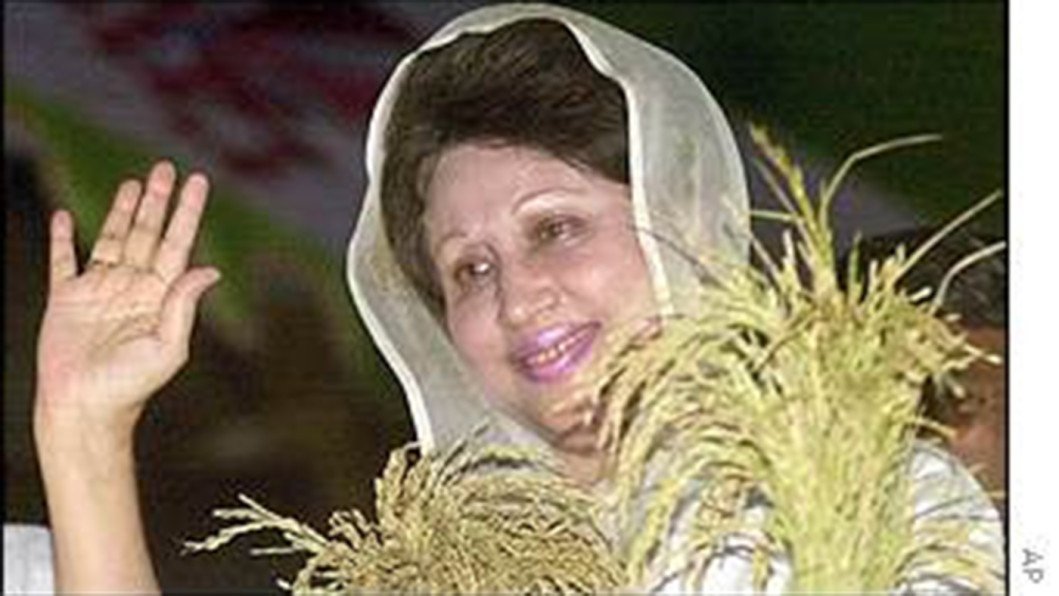
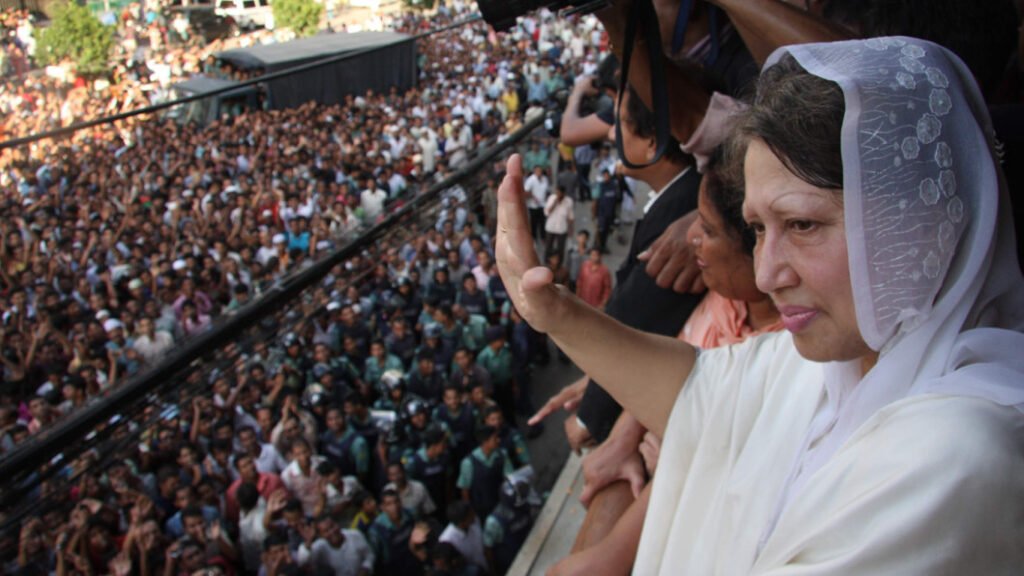
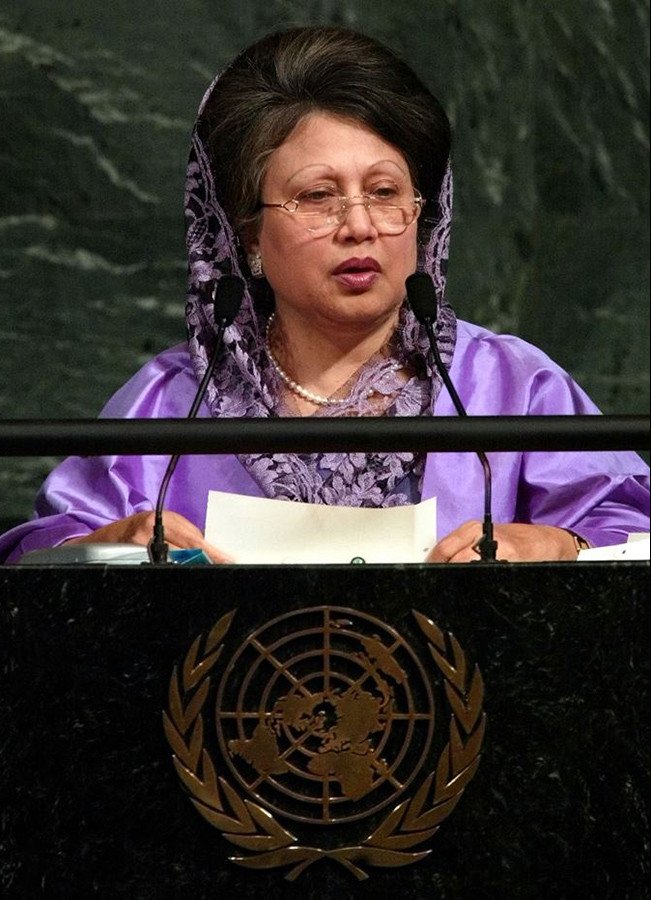
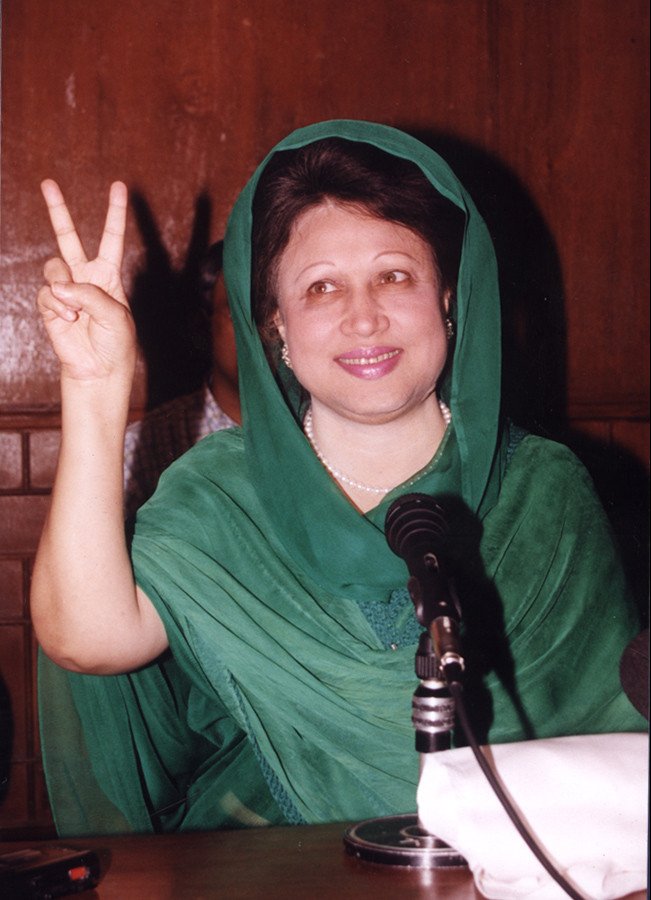
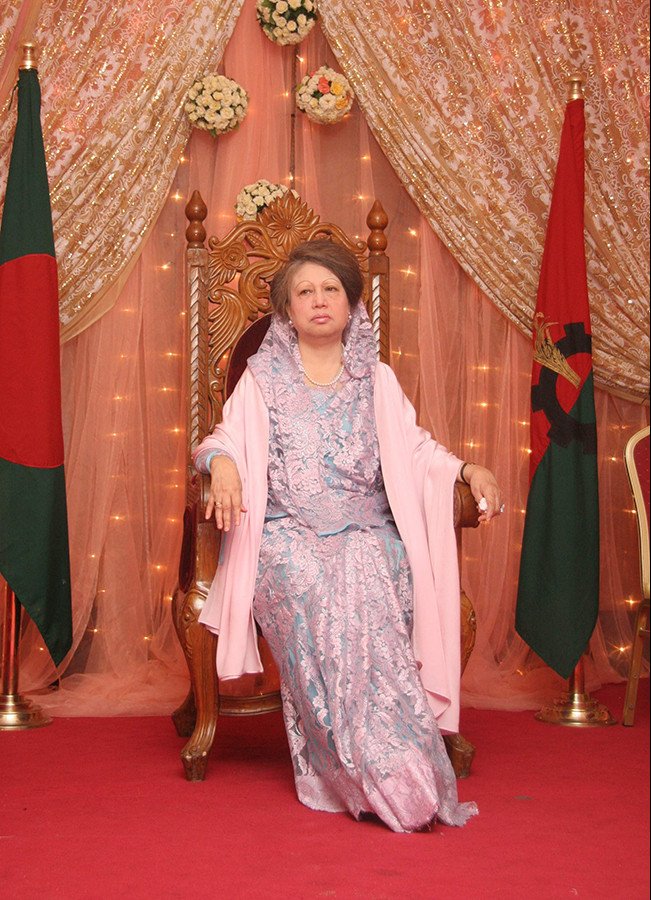
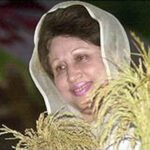
The political landscape of Bangladesh has lost one of its defining pillars. Khaleda Zia, the nation’s first woman to serve as prime minister and a colossus of its tumultuous democracy, died on Tuesday in Dhaka at the age of 80. Her passing, after a prolonged struggle with advanced cirrhosis of the liver, diabetes, arthritis, and cardiac issues, marks not just the end of a life but the closing of a historic chapter. For decades, Bangladeshi politics was synonymous with the fierce rivalry between two women: Khaleda Zia and Sheikh Hasina. With Zia’s death and Hasina’s own ouster from power last year following mass protests, an era of rare, women-led governance in South Asia has drawn to a poignant close.
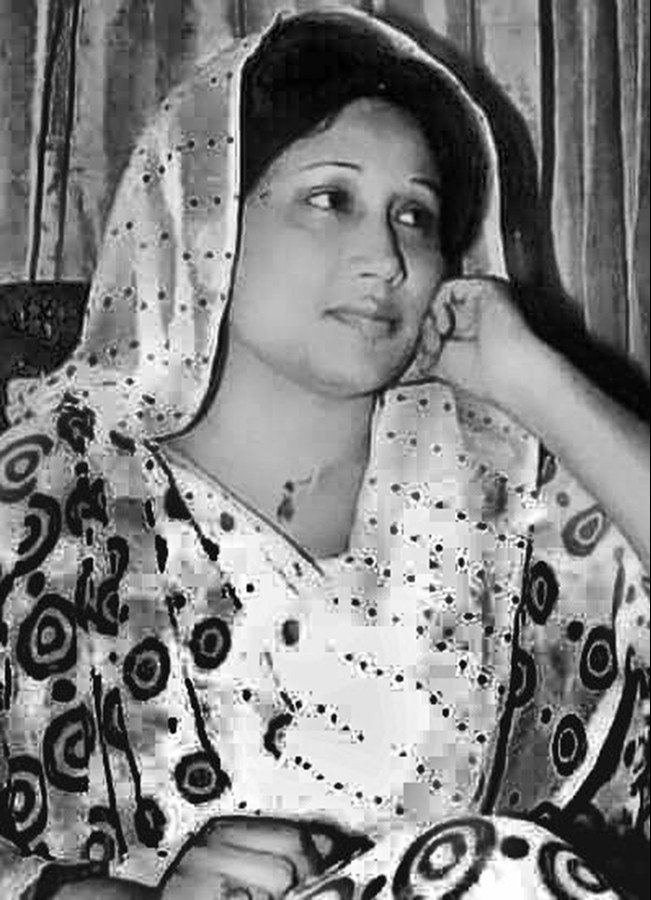
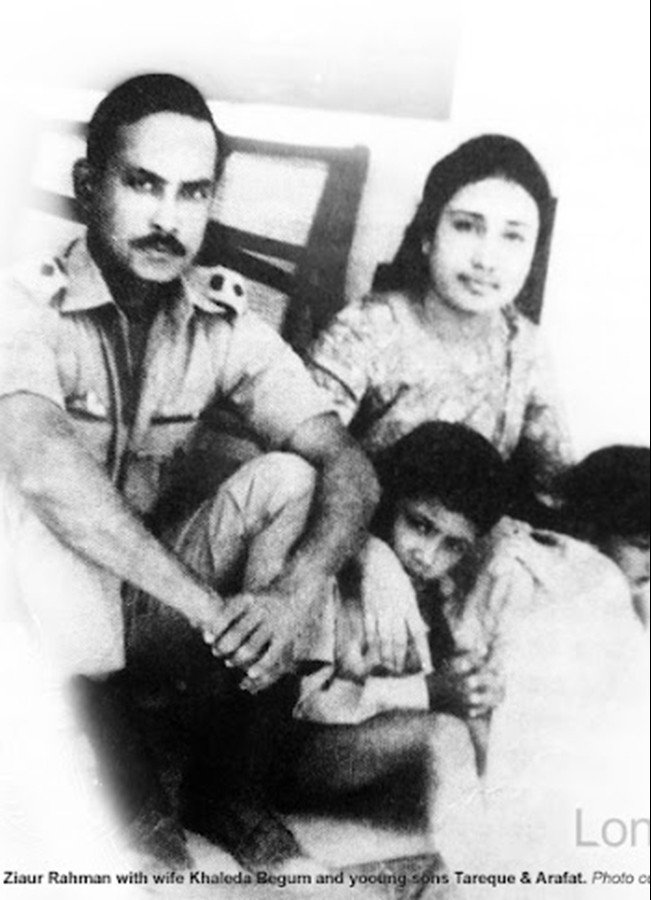
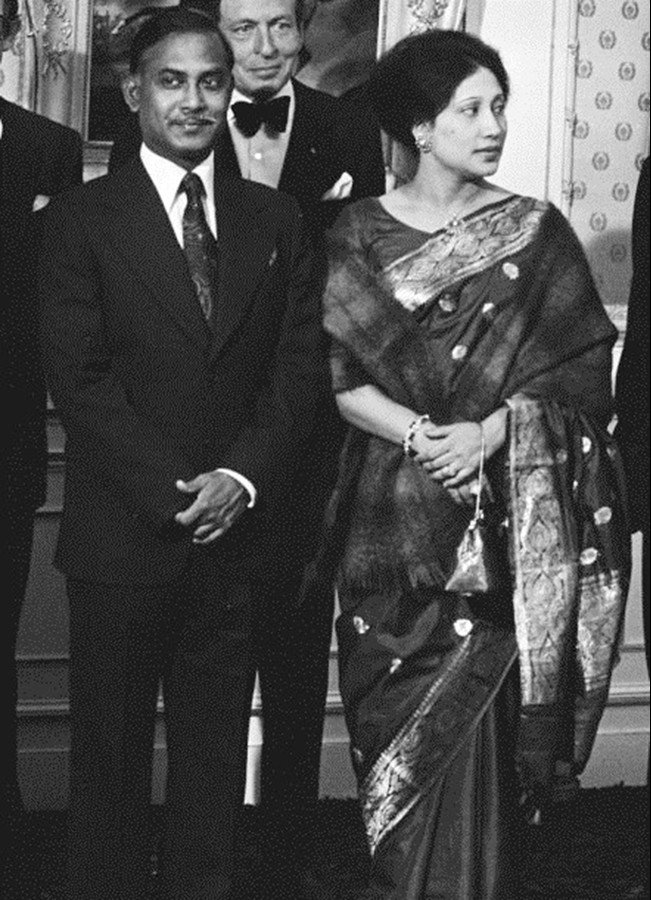
Zia’s journey to the apex of power was born from profound personal tragedy. Initially a shy, private housewife devoted to raising her two sons, her life was irrevocably altered by the assassination of her husband, military ruler-turned-President Ziaur Rahman, in an attempted army coup in 1981. Three years later, steeling herself against the turmoil, she took the helm of the Bangladesh Nationalist Party (BNP), which he had founded. Her mission was to fulfill his vision of liberating Bangladesh from poverty and economic backwardness. This reluctant entry into public life would catapult her into the center of the nation’s destiny.
Her political identity became forever intertwined with that of her great rival, Sheikh Hasina, daughter of Bangladesh’s founding father, Sheikh Mujibur Rahman. In a powerful, fleeting moment of unity, the two women joined forces in 1990 to lead a popular uprising that finally toppled the nine-year autocratic rule of General H.M. Ershad. This cooperation, however, was short-lived. What followed was a bitter, personal, and political feud that would dominate and define Bangladeshi politics for generations, earning them the enduring nickname 'the Battling Begums'.
Their contrasting styles fueled the drama. Hasina was outspoken, assertive, and politically astute. Zia, in public, was often seen as more traditional, carefully choosing her words, polite yet possessing a quiet, steely style. Supporters admired her as a tender mother figure for the nation who could transform into a bold, uncompromising leader when her party or principles were under threat. This dichotomy made their competition not just a political contest, but a compelling national saga.
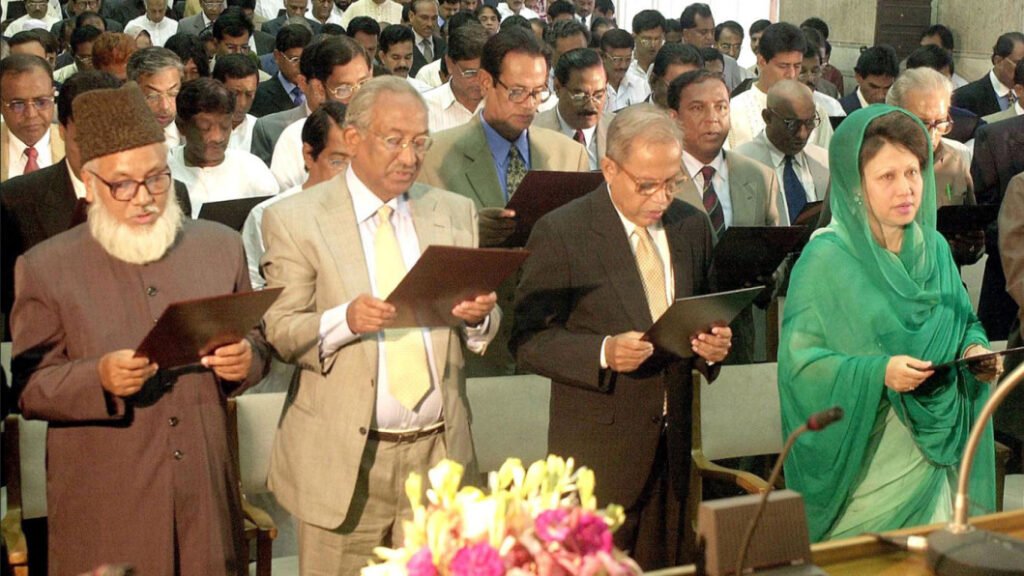
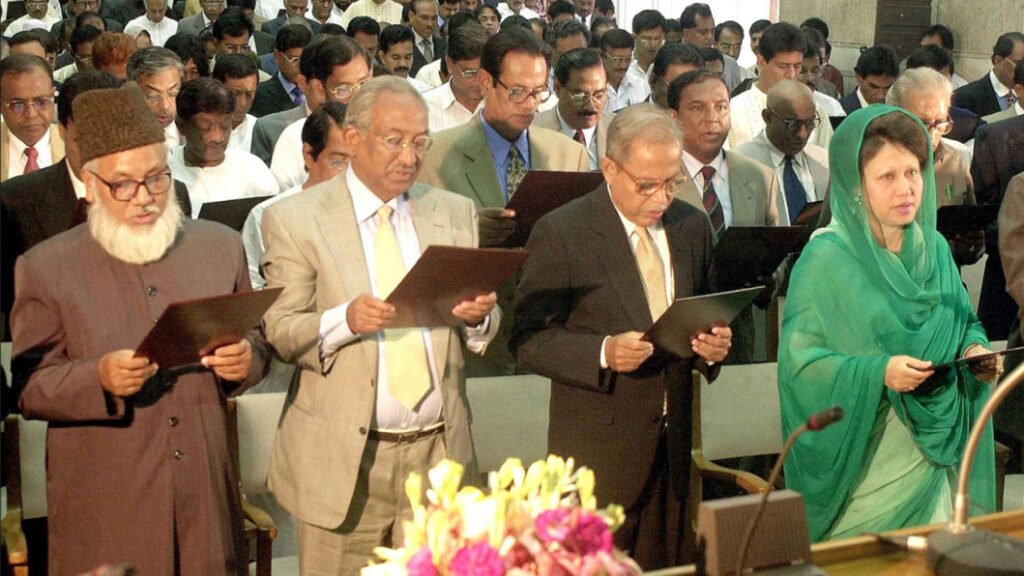
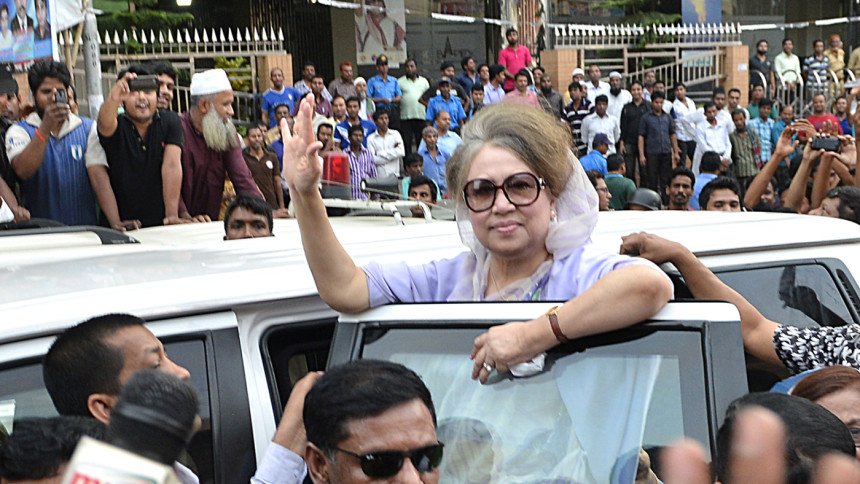
Khaleda Zia made history in 1991. In what was hailed as the country's first free and fair election, she secured a surprise victory over Hasina, aided by a crucial alliance with the largest Islamic party, Jamaat-e-Islami. In that moment, she became Bangladesh’s first female prime minister, and only the second woman to lead a democratic Muslim-majority nation after Pakistan’s Benazir Bhutto. Her first term was one of foundational change: she replaced the presidential system with a parliamentary one, cementing power with the prime minister. She ushered in economic liberalization, lifting restrictions on foreign investment to stimulate growth. Perhaps most lastingly, she made primary education free and compulsory and introduced stipends for girls, a landmark policy credited with significantly advancing female education in Bangladesh.
Politics, however, remained a volatile arena. She lost to Hasina in 1996 but staged a dramatic comeback with a landslide victory in 2001. Her second term, however, was marred by rising Islamist militancy and escalating allegations of corruption. The rivalry with Hasina turned deadly in 2004 when a horrific grenade attack on a Hasina rally killed over 20 people and wounded 500. Zia’s government and its Islamist allies were widely blamed, deepening the chasm of mistrust and hatred between the two camps.
The wheel of fortune turned again in 2008, bringing Hasina back to power with a resolve to settle scores. What followed for Zia was a long period of judicial persecution, which she and her party condemned as politically motivated vengeance. She was sentenced to 17 years in prison on two separate corruption charges involving funds meant for a charity named after her late husband. Imprisoned and later under house arrest, she became the symbolic figurehead of a besieged opposition. Her family’s repeated pleas to allow her to travel abroad for critical medical treatment were denied by the Hasina government for years.
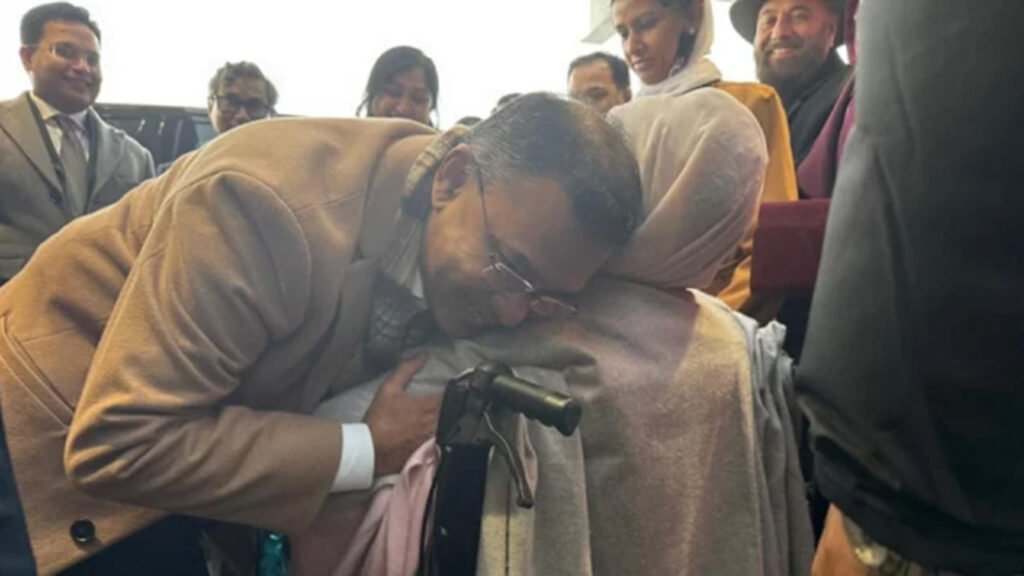
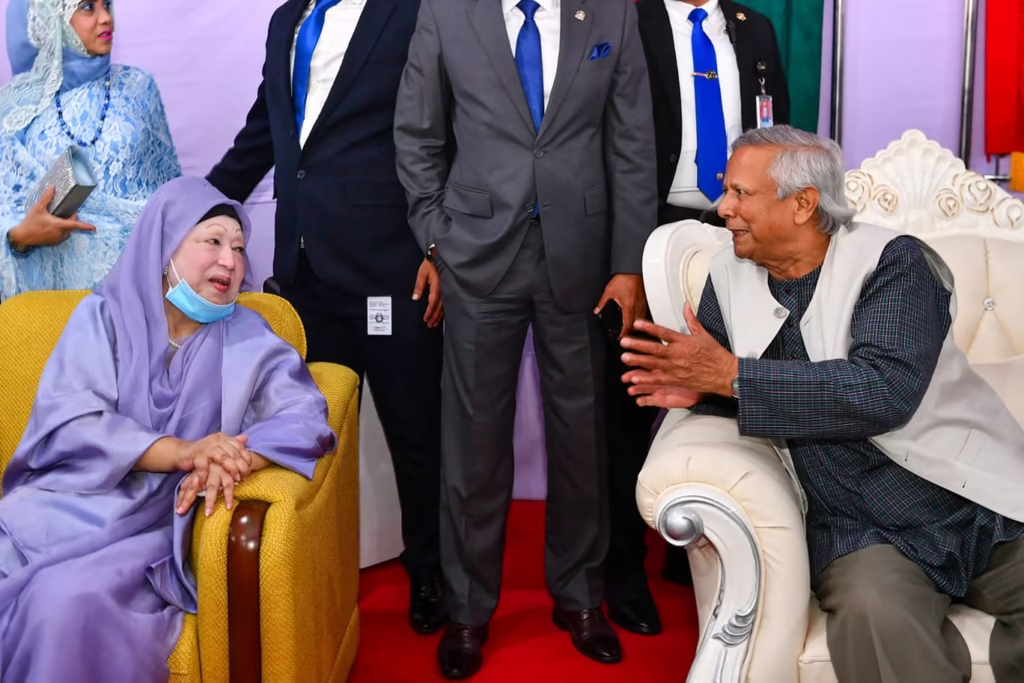
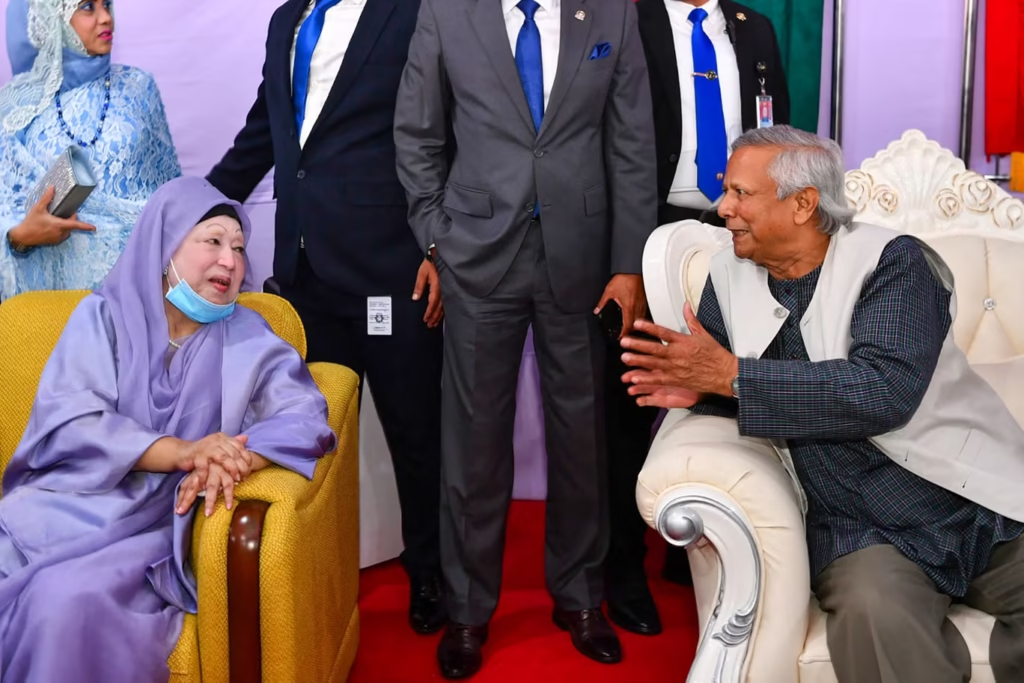
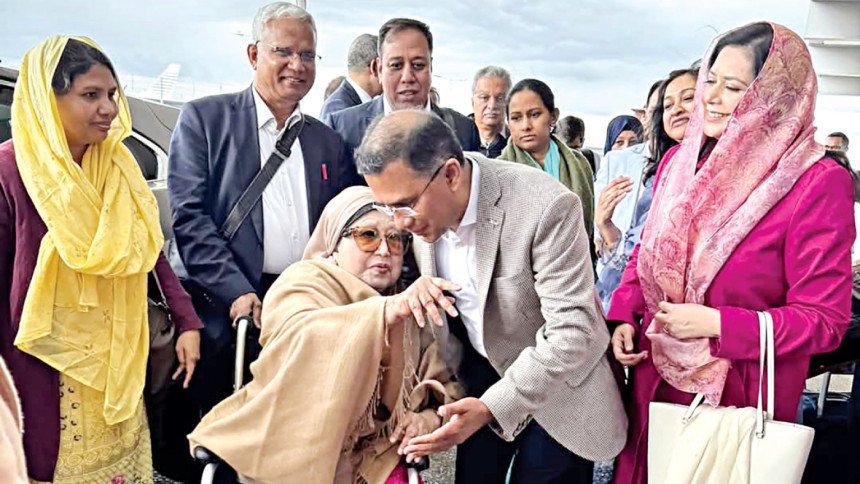
A measure of relief came only after Hasina was ousted in 2024. The interim administration under Nobel laureate Muhammad Yunus permitted Zia to travel to London for treatment in early 2025. Although acquitted by the Supreme Court in her last remaining case in January 2025, her health had severely deteriorated. Her final public appearance at a military function in November 2024 showed a frail, pale figure in a wheelchair, a stark contrast to the formidable leader who once commanded the nation.
Tributes poured in, highlighting her complex legacy. Interim Chief Adviser Muhammad Yunus, in his condolence message on 'X' declaring her a “Very, Very Important Person of the State,” praised her as a “symbol of the democratic movement” whose struggle against autocracy would be forever remembered.
From her exile, Sheikh Hasina offered condolences, acknowledging Zia’s “significant” role in the nation’s history.
Regional leaders, including Pakistan’s President Asif Ali Zardari and Prime Minister Shehbaz Sharif as per APP reported, called her a “committed friend”, and India’s Narendra Modi, expressed their sorrow.
The most poignant words came from her son, Tarique Rahman, who returned from 17 years of self-exile just days before her death. In a heartfelt Facebook post, he painted a picture of the private woman behind the public icon: a “tender and loving mother” and the family’s “truest guardian,” whose “infinite love gave us strength in our darkest moments.” He spoke of her quiet, unbreakable resilience through years of persecution. “For the country,” he wrote, “she lost her husband; she lost her child. The nation ultimately became her family and purpose.”
Khaleda Zia’s story is the story of modern Bangladesh, its fight for democracy, its deep-seated polarizations, and its paradoxical empowerment of women at the highest level of power. She was a widow thrust into history, a history she then shaped through three terms as premier, landmark reforms, and an indomitable will. Her passing severs a direct link to the nation’s founding generation and leaves a vacuum in a political opposition already in flux. As Bangladesh moves forward under its current caretaker government, the long, defining shadow of the Battling Begums has finally lifted, closing one of the most remarkable political duels of our time.

 American Chamber of Commerce Qatar
 Bangladeshi Community
 Filipino Community
 Indian Community
 Nepali Community
 Pakistani Community
 Sri Lankan Community