New York, 01 January 2026
On a brisk Thursday in New York City, history was made as Zohran Kwame Mamdani took the helm of America’s largest metropolis. At just 34 years old, Mamdani is not only the youngest mayor the city has seen in generations but also its first Muslim, first South Asian, and first African-born leader. His inauguration, a day marked by both profound symbolism and public celebration, signaled the start of a bold and closely watched new chapter for New York.
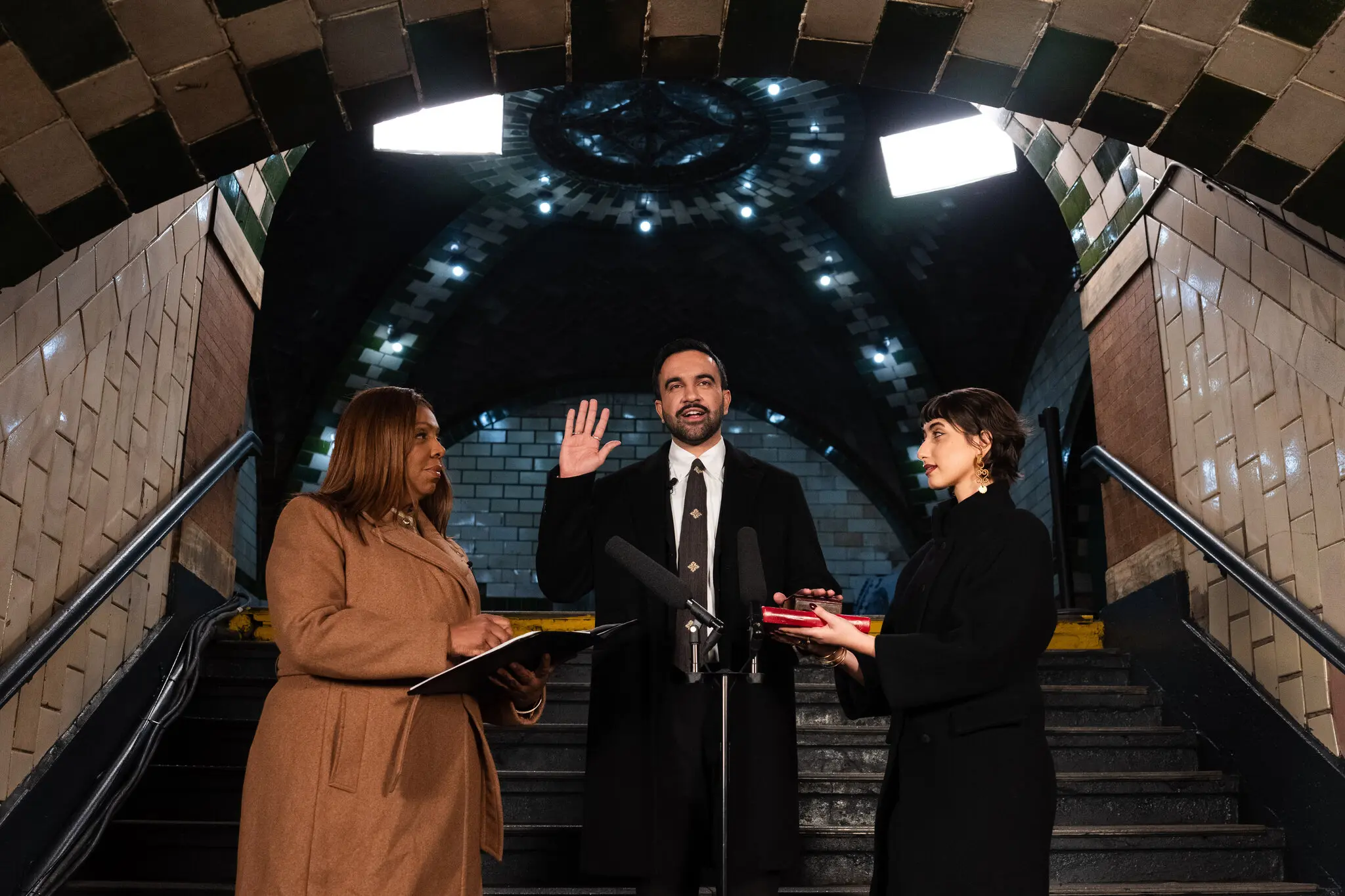
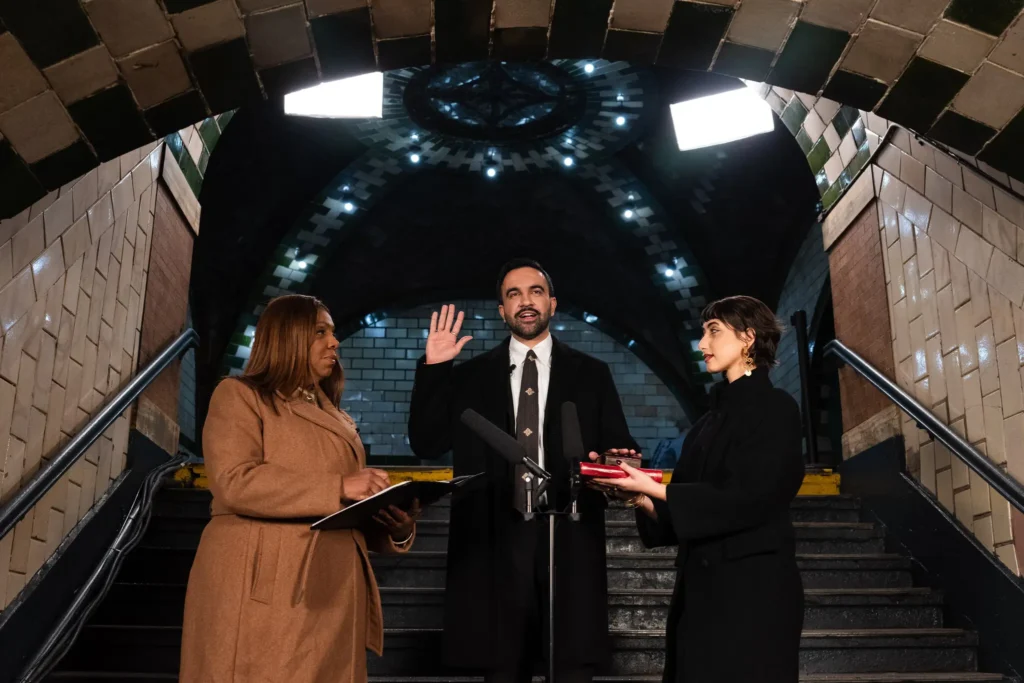
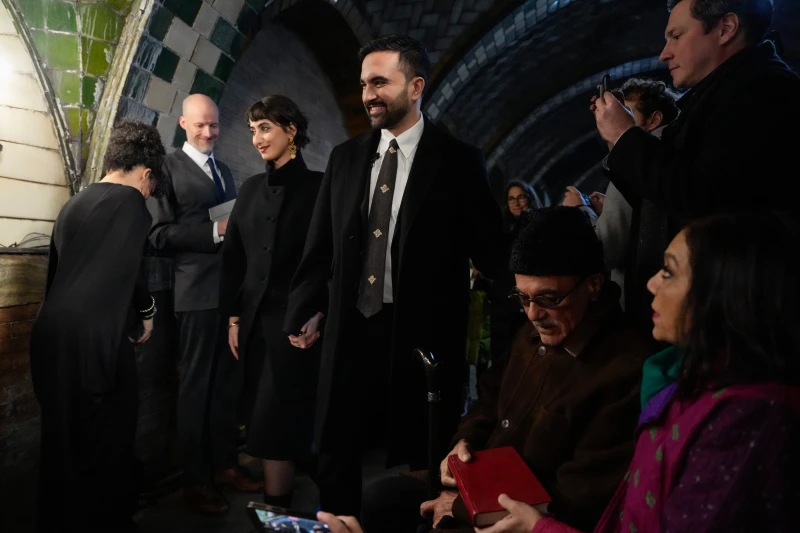
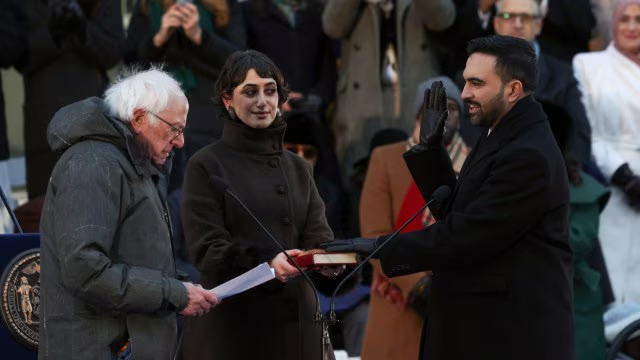
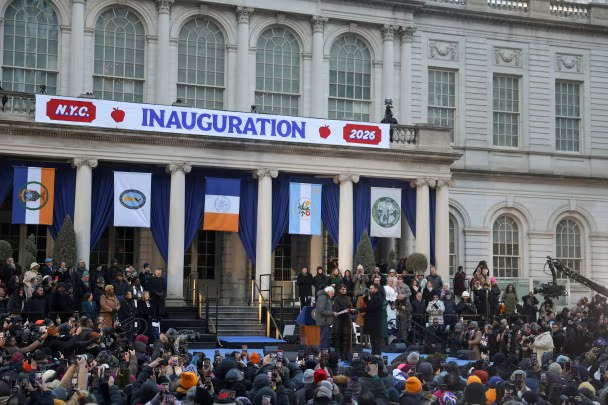
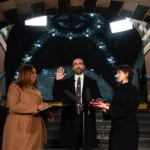
The day began intimately, just after midnight, deep beneath Manhattan in the stunning, decommissioned City Hall subway station. With his hand on the Quran, Mamdani took his initial oath of office, administered by ally New York Attorney General Letitia James. He called the historic station a “testament to the importance of public transport,” a fitting backdrop for a leader who campaigned on expanding public services. Hours later, the ceremony shifted to a grand public event at City Hall, where U.S. Senator Bernie Sanders, a political hero of Mamdani’s, administered the oath once more to a cheering crowd.
In his inaugural address, Mamdani embraced the “democratic socialist” label that defined his campaign. “I will not abandon my principles for fear of being deemed radical,” he declared, reiterating his promises to tackle the city’s affordability crisis with policies like universal childcare, free bus transit, rent freezes, and city-run grocery stores. “If you are a New Yorker, I am your mayor,” he pledged, vowing to govern for all. He painted a vision of a city whose story would be written by its diverse people, “speaking languages ranging from Pashto and Mandarin to Yiddish and Creole.”
The historic nature of his ascent was a central theme. Progressive Congresswoman Alexandria Ocasio-Cortez hailed the moment as “a new era for New York City,” while Senator Sanders praised Mamdani’s victory over powerful political establishments as “the biggest political upset in modern American history.” Sanders defended the agenda, arguing that making housing affordable and childcare accessible is not radical but “the right and decent thing to do.”
Mamdani’s personal journey to City Hall is a quintessential New York story. Born in Kampala, Uganda, to Indian immigrant parents—filmmaker Mira Nair and scholar Mahmood Mamdani—he moved to New York at age seven. He grew up in a post-9/11 city where Muslims often felt unwelcome, became a U.S. citizen in 2018, and rose through local politics, winning a State Assembly seat in Queens in 2020. He and his wife, Rama Duwaji, will now move from their rent-stabilized apartment in the outer boroughs to the stately Gracie Mansion.
He inherits a city showing signs of recovery, with crime and unemployment returning to pre-pandemic levels. Yet immense challenges remain, from crushing housing costs and aging infrastructure to managing the mundane but critical tasks of sanitation and repairs. His administration will also navigate a complex national political landscape, including a relationship with Republican President Donald Trump that has been unexpectedly cordial but remains fraught with potential conflict over issues like immigration.
As the celebrations on the “Canyon of Heroes” concluded, the work began. Mamdani’s inauguration was more than a ceremonial changing of the guard; it was a powerful statement of intent. “Beginning today, we will govern expansively and audaciously,” he promised. The nation now watches to see how this young, idealistic mayor will translate his transformative vision into reality for the eight-and-a-half million people he now serves.

 American Chamber of Commerce Qatar
 Bangladeshi Community
 Filipino Community
 Indian Community
 Nepali Community
 Pakistani Community
 Sri Lankan Community