Doha, 01 Dec. 2025
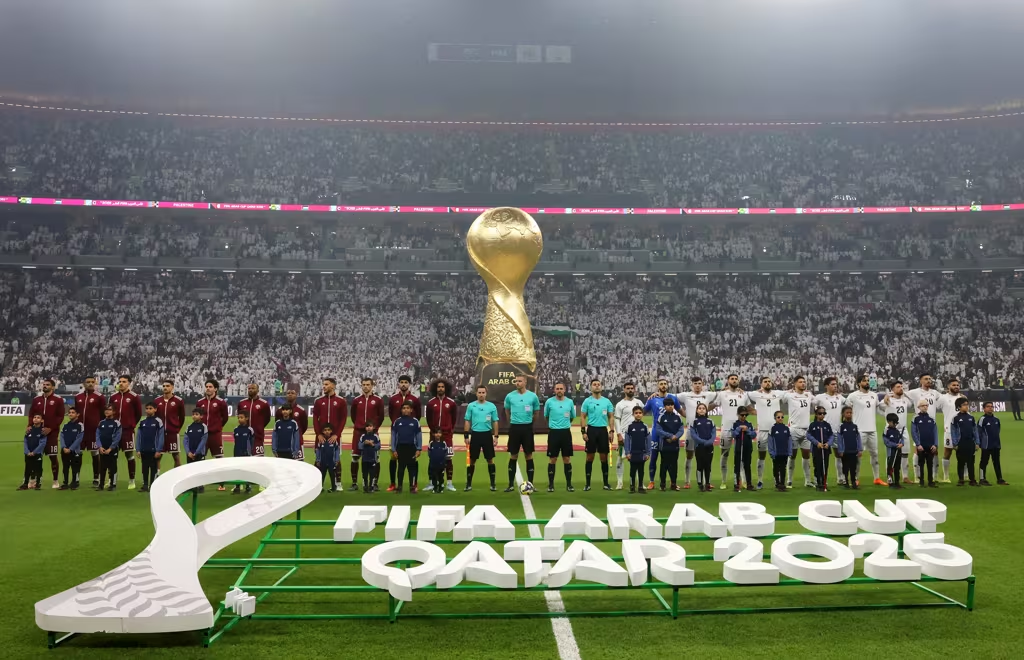
The 11th FIFA Arab Cup kicked off in Qatar on Monday with an evening that artfully fused profound cultural celebration with the visceral thrill of football. The inauguration at the majestic, tent-inspired Al Bayt Stadium was more than a prelude; it was a powerful statement. Before a capacity crowd of over 60,000 and a global television audience, a 15-minute ceremony masterfully wove together cutting-edge projection mapping, traditional music, and evocative narrative.
Syrian artist Rashid Assaf’s narration served as a guiding voice, eloquently linking the enduring spirit of Arab civilization with the unifying language of sport. A poignant visual tribute to Jerusalem underscored a central theme of solidarity, while performances by artists like Egypt’s Mohamed Mounir and Qatar’s Hamad Al Khazina filled the stadium with anthems of belonging and shared celebration, perfectly setting the stage for the continental gathering.
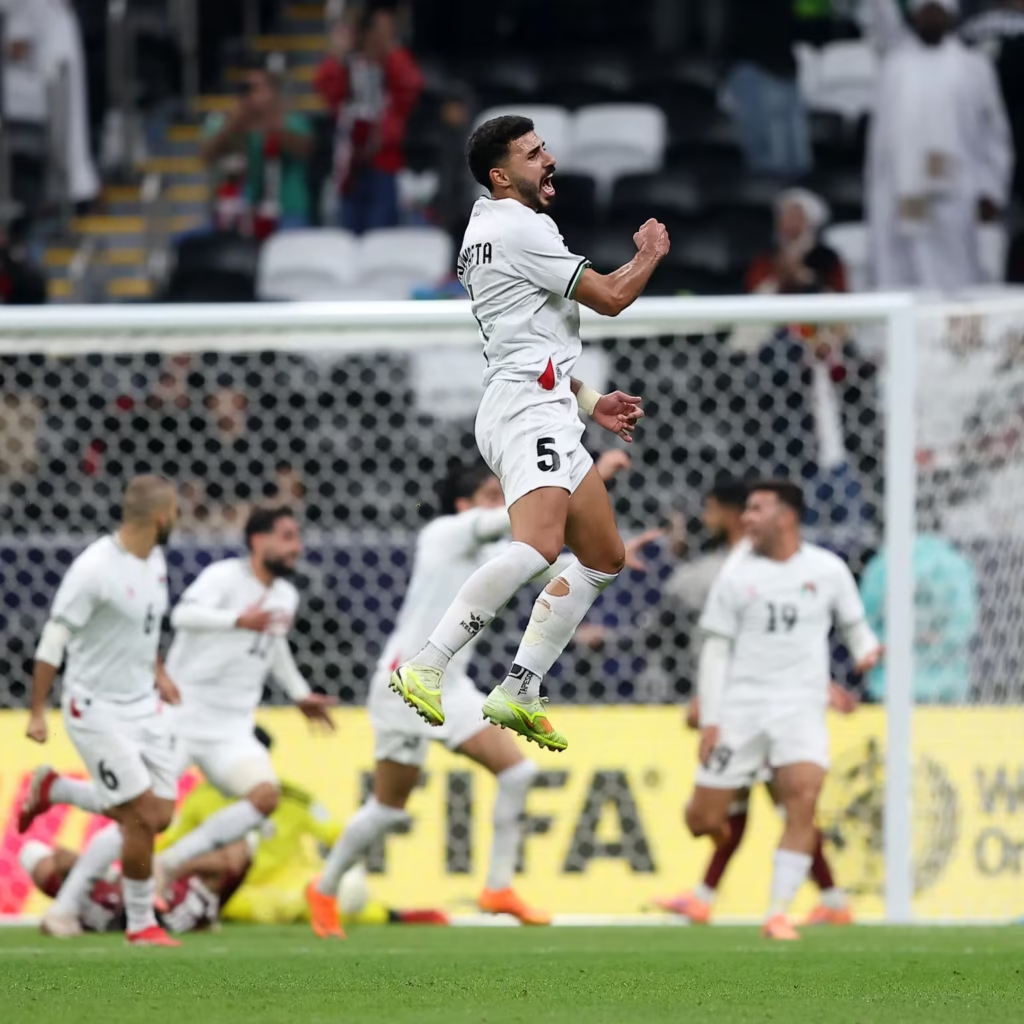
Yet, the ceremonial harmony swiftly gave way to the unpredictable drama of competition, delivering two stunning results that recalibrated expectations for Group A. In the tournament’s inaugural match, the host nation Qatar controlled proceedings for long stretches, their attacking fluidity orchestrated by the lively Akram Afif. However, a resilient Palestinian side held firm, growing in belief as the clock ticked toward full time. Then, in a moment of heartbreaking fortune for the hosts and sheer euphoria for their opponents, a late cross in the 95th minute deflected off Qatari defender Sultan Al Brake and nestled into his own net. The own goal handed Palestine a dramatic 1-0 victory—a result celebrated not just for the three points, but for its profound symbolic resonance.
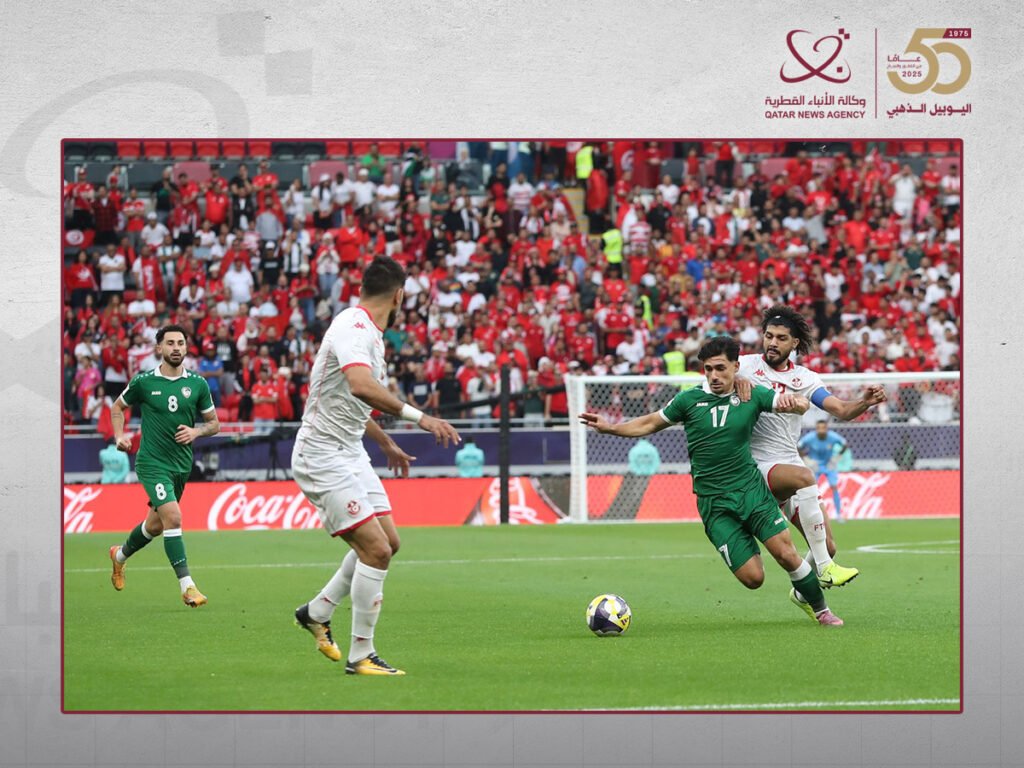
Simultaneously, at Ahmad Bin Ali Stadium, Syria authored an upset of tactical discipline against a favored Tunisian side. Absorbing pressure and defending with tenacious organization, the Syrian team struck decisively early in the second half through a superb Omar Khribin free kick. What followed was a heroic defensive stand, spearheaded by goalkeeper Shaher Al Shakhir, who repelled multiple Tunisian assaults with a series of clutch saves to preserve the fragile lead.
When the final whistles blew, the group standings presented a captivating narrative. Palestine and Syria, through a blend of resilience and seizing their decisive moments, sit proudly at the summit. In stark contrast, the host nation Qatar and the fancied Tunisians are left to contemplate deflating starts from the bottom of the table. The opening day thus delivered a perfect microcosm of tournament football: a breathtaking spectacle of shared identity followed immediately by the beautiful game’s capacity for shock, where passion and perseverance can triumph over pedigree.
What to know about 2025 FIFA Arab Cup
Group stage: December 1 to 9
Quarterfinals: December 11 and 12
Semifinals: December 15
Third-place playoff: December 18
Final: December 18
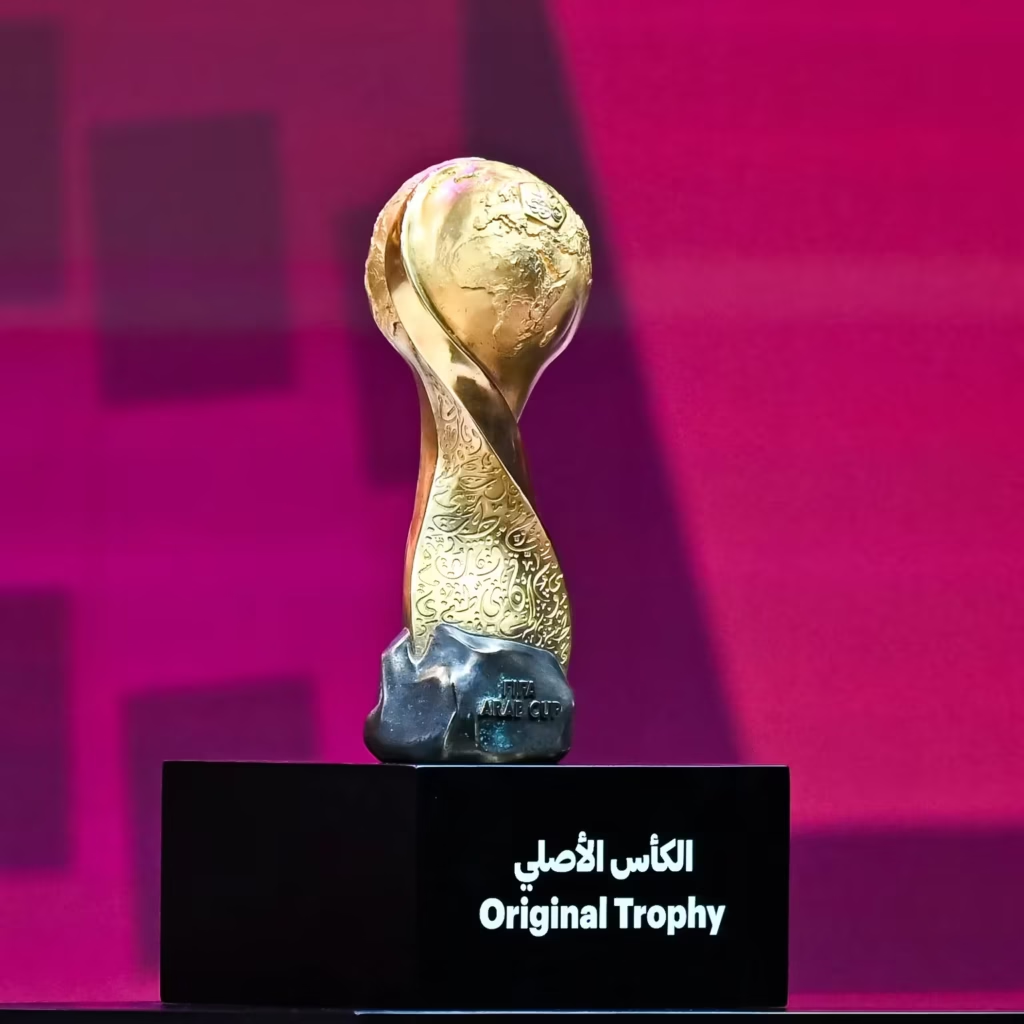
Qatar is staging the Arab Cup for the third time; it hosted the 1998 and 2021 tournaments. It is also the second successive FIFA tournament hosted by the Gulf nation after the recently concluded FIFA U-17 World Cup.
Six venues have been chosen to host the regional showpiece, each of which was used during the FIFA World Cup three years ago. As was the case during Qatar 2022, Al Bayt Stadium, in the northern city of Al Khor, will host the tournament opener, while the magnificent Lusail Stadium will host the final.
The 2025 Arab Cup will be the second edition under FIFA’s jurisdiction, with editions before 2021 organised by the Union of Arab Football Associations (UAFA).

 American Chamber of Commerce Qatar
 Bangladeshi Community
 Filipino Community
 Indian Community
 Nepali Community
 Pakistani Community
 Sri Lankan Community